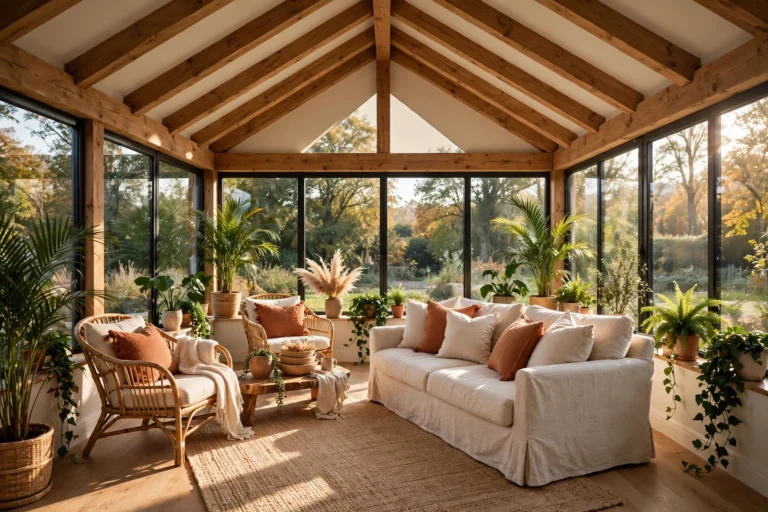
15 Rooms With Plants Ideas for a Balanced, Calmer Home
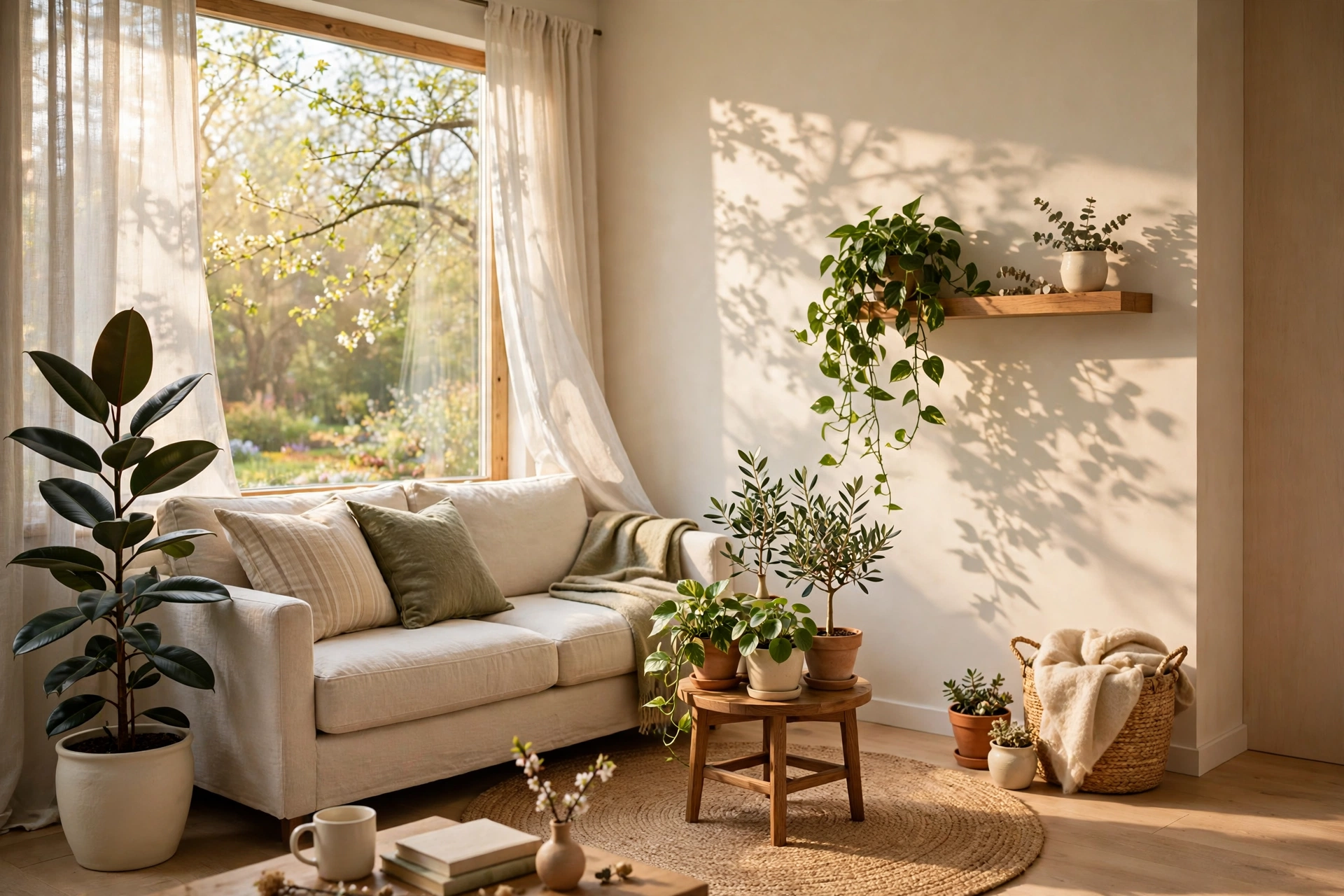
Have you ever walked into a room that looked fine, but felt a little off? The sofa is nice. The rug is nice. Still, something is missing.
Often it’s balance. A room can have plenty of furniture and still lack height, softness, or something alive. A plant in the right spot fixes that fast. It breaks up hard lines, fills an empty corner, and gives your eye somewhere calm to land.
But plants also need light, water, and a safe place to live. The best plant rooms get both right: they look good and the plants stay happy.
Below are 15 rooms with plants ideas, from a tall living room statement piece to a tiny herb window, with real tips on light, pots, pets, and care. Pick a room, pick an idea, and start small.
Table of Contents
What Does a Room With Plants Need? (Quick Answer)
A good room with plants matches each plant to the light it gets, groups plants with similar water needs, and mixes heights so the room feels balanced. A simple formula is one tall plant, one mid-height group, and one trailing plant. Repeating the same pot color or material ties it all together.
The Balanced Plant Trio
- Tall: a floor plant that adds height, like a rubber plant, bird of paradise, or parlor palm
- Mid: a cluster of two or three plants on a table, stand, or shelf
- Trailing: a vine like pothos or philodendron that softens an edge
- Repeat: one pot color or material at least three times
Light Guide at a Glance
- Bright light: within about two feet of a sunny window, such as herbs, succulents, and bird of paradise
- Medium light: several feet from a window, or near an east or west window, such as pothos, philodendron, and calathea
- Low light: a north-facing room or a corner farther from a window, such as snake plants, ZZ plants, and cast iron plants. “Low-light tolerant” doesn’t mean happy in the dark, so give them some daylight.
- No natural light: use a grow light or faux plants
Pick Your Plant Style
- Beginner or busy: start with ideas 3, 7, and 15
- Bright and sunny rooms: try ideas 1, 5, and 9
- Humid or cozy spaces: go for ideas 4, 11, and 13
- Pet-friendly homes: jump to idea 14, and use pet-safe picks throughout
- Small spaces and renters: look at ideas 2, 10, and 12
- Dim or windowless rooms: choose ideas 4, 8, and 15
1. Statement Floor Plant by the Sofa
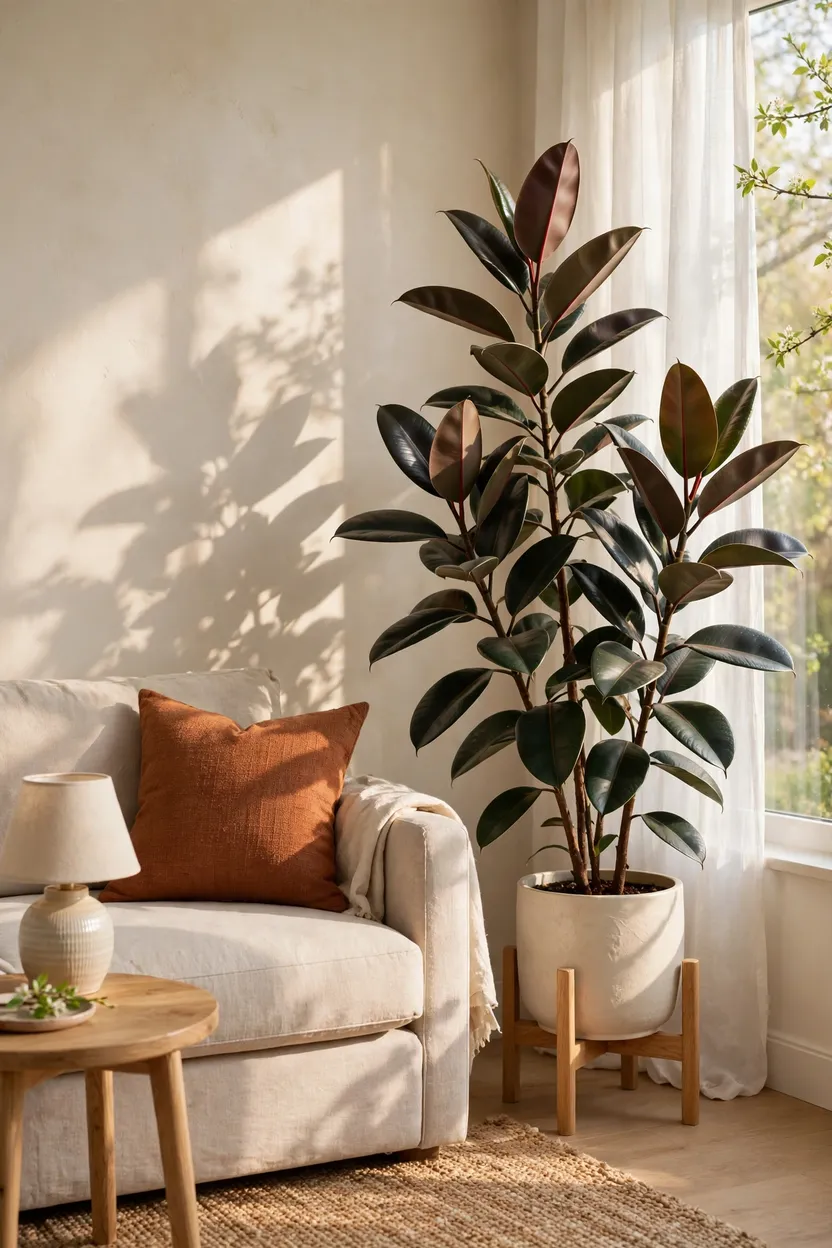
Every living room needs one tall green moment. Place a rubber plant, fiddle-leaf fig, or bird of paradise beside the sofa or in an empty corner, so the room has height on the side that feels light. Choose a pot about 10 to 14 inches wide in matte ceramic or woven fiber, and set it on a short stand for extra lift. Keep it within a couple of feet of a bright window so the leaves stay full. Turn the pot a quarter turn each week so it grows evenly instead of leaning toward the glass. These three plants can be toxic to pets, so check the ASPCA list if you have a cat or dog.
2. Layered Bookcase Greenery
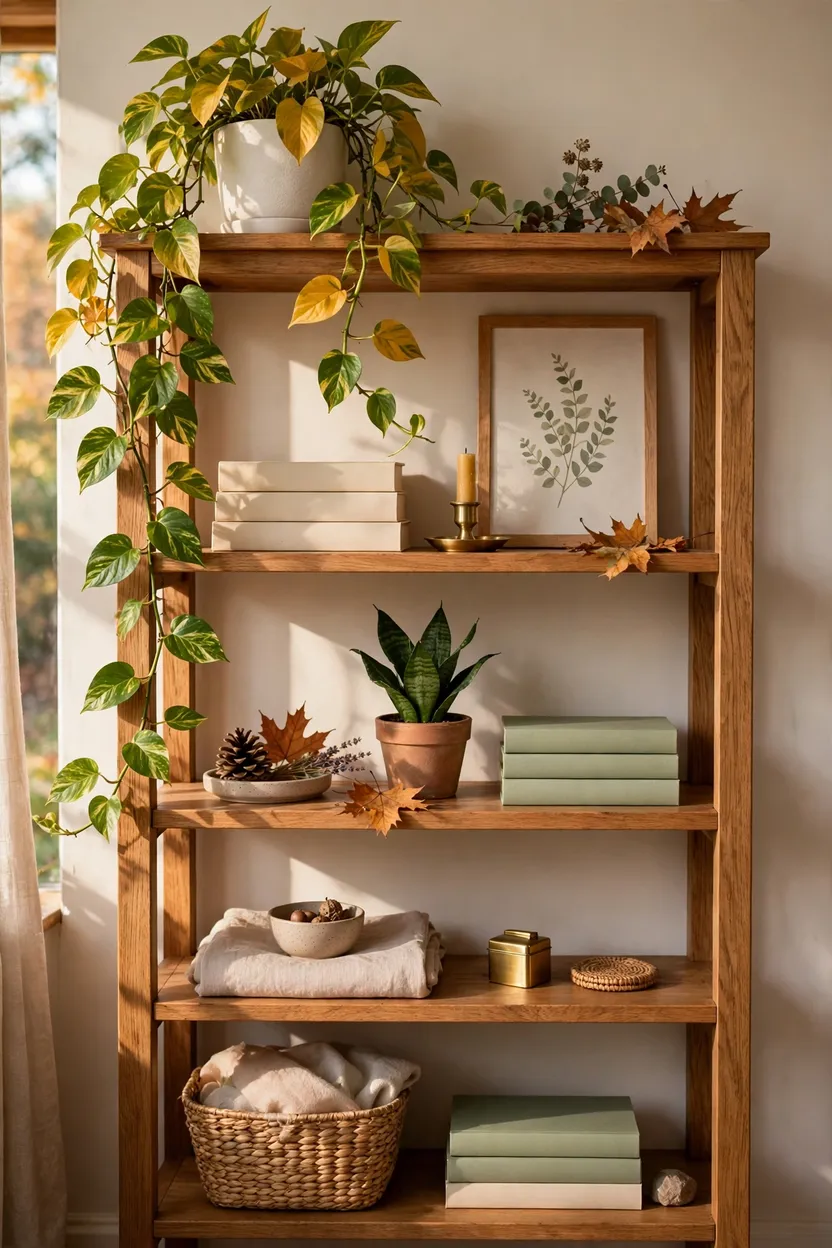
Plants make a bookcase feel alive. Mix trailing pothos on the top shelf, a small snake plant in the middle, and a few books stacked flat beside them. Leave about a third of each shelf empty so the greens have room to breathe. Use pots with drip trays, since water can ruin wood and books. Trim trailing vines so they don’t cover spines, and keep them away from pets that chew leaves.
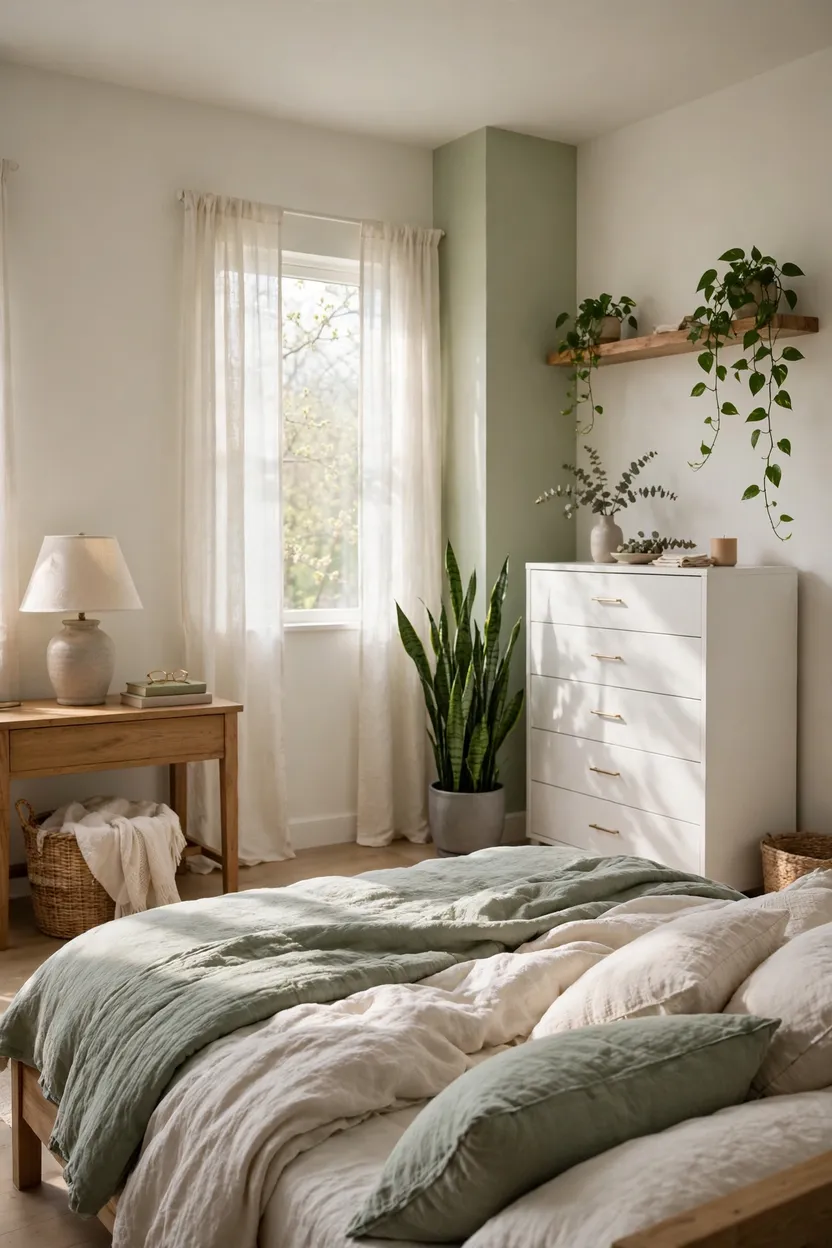
3. Soft Green Bedroom Corner
A bedroom plant should feel like a quiet friend, not a project. Pick tough, slow plants like a snake plant, a ZZ plant, or a cast iron plant, which handle dim light and a forgotten watering. Put one in the corner by the dresser and a small trailing plant on a high shelf. Skip big, strongly scented flowers by the bed, since they can feel heavy at night. Plants won’t clean the air in a measurable way, but a little green makes the room look calmer.
4. Steamy Spa Bathroom Plants
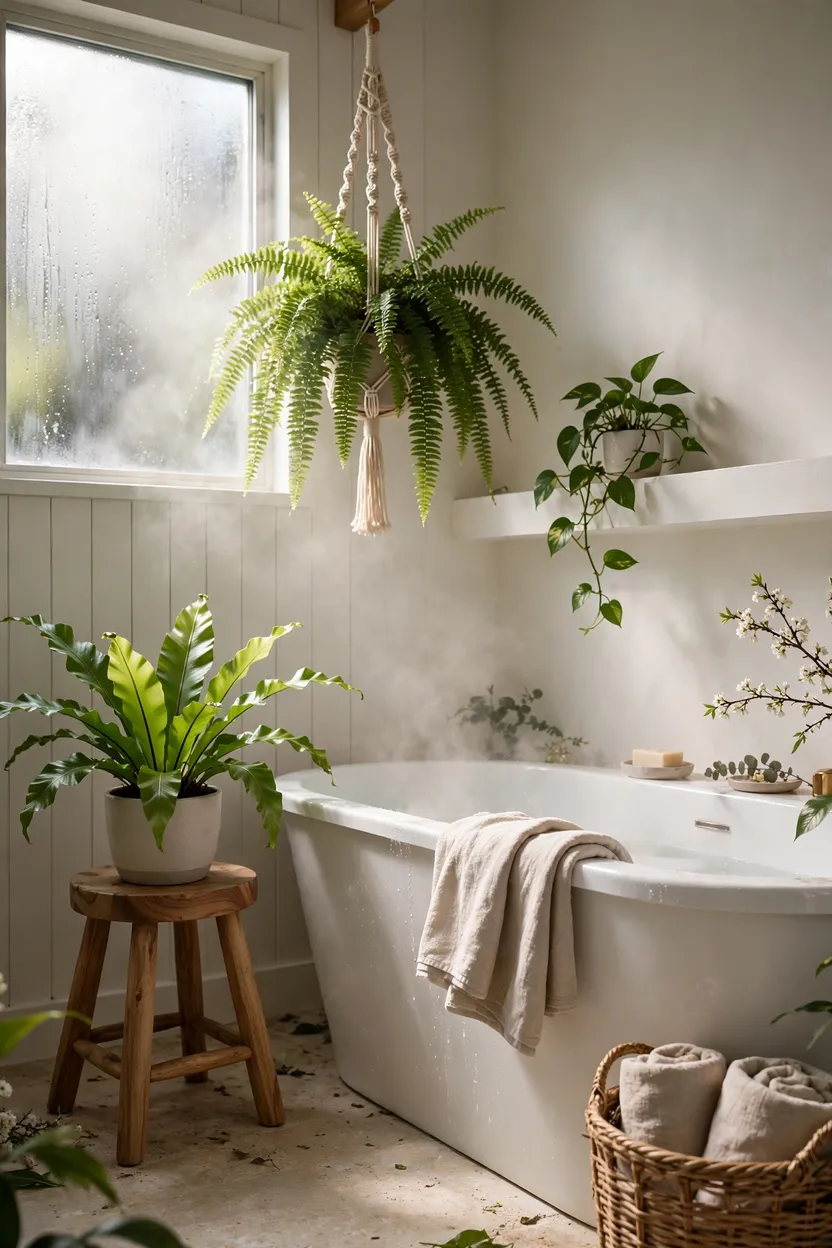
Bathrooms give plants warm, humid air, which ferns and orchids love. Hang a Boston fern or set a bird’s nest fern on a shelf near a bright window, and add a small pothos on a ledge or tank-top. Keep plants out of the direct shower spray. A windowless bathroom needs a grow light or faux plants, since humidity can’t replace light. Wipe leaves every few weeks, and set pots on a tray so water never reaches the tile edge.
5. Kitchen Herb Window
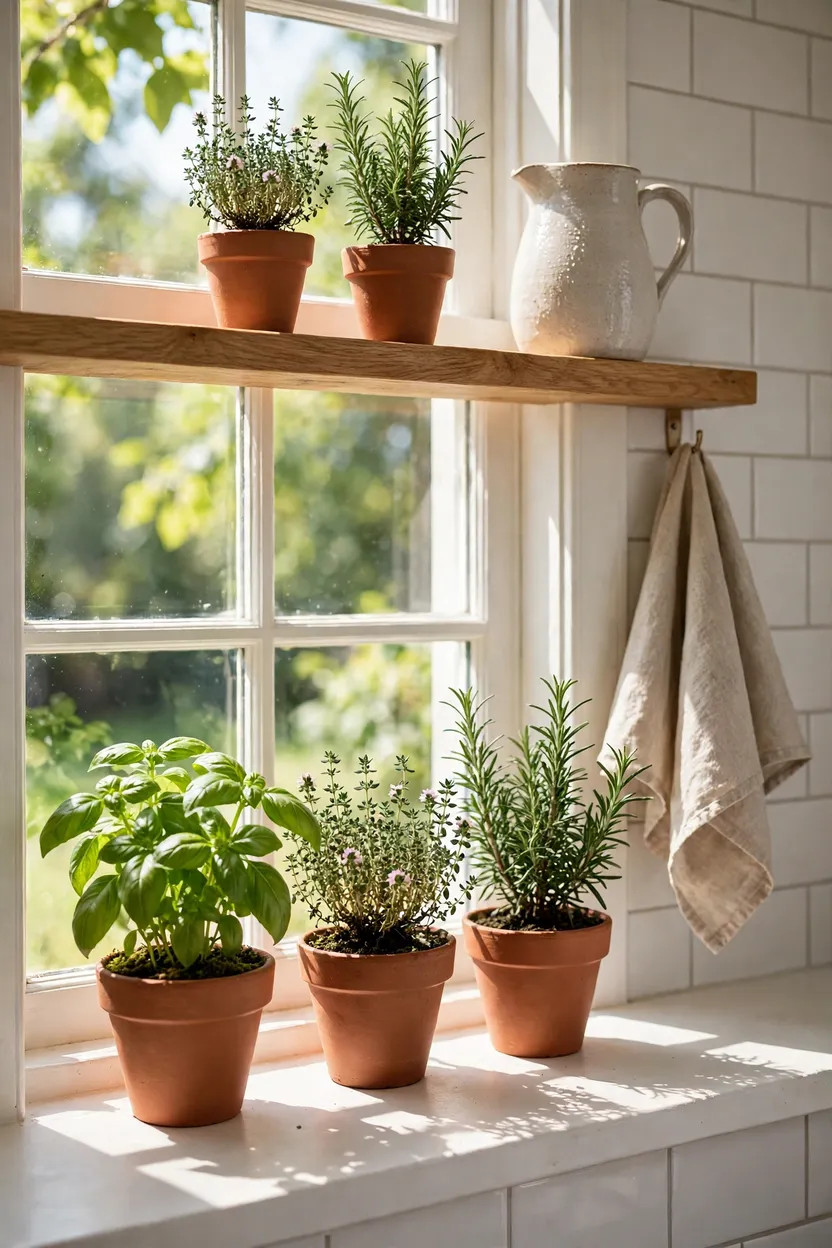
A kitchen window is the easiest place to grow plants you’ll actually use. Line up small pots of basil, thyme, and rosemary along the sill, and group them by water needs so you can care for them together. Use terracotta or glazed pots with drainage dishes, and mount a narrow shelf above for extra pots. Most herbs like about six hours of bright light, so choose your sunniest window. Snip often, since pruning keeps them full and bushy.
6. Low Dining Table Greenery
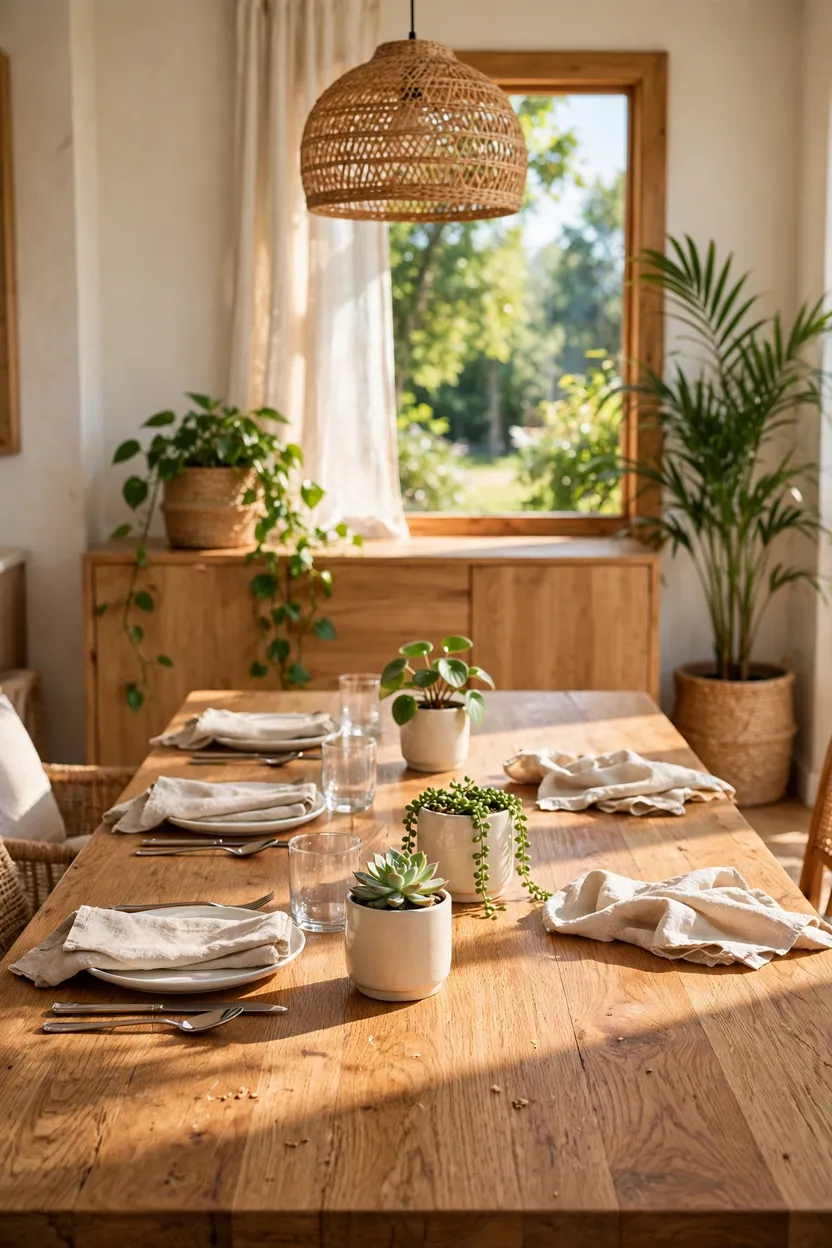
Dining table plants should add life without blocking faces. Keep every plant under about 12 inches tall, or use a slim runner of three small pots down the middle. Choose plants that handle steady room light, like a small pothos, a peperomia, or a trailing philodendron. Add a larger plant on a sideboard or corner stand to supply height away from the table. Use waterproof trays or cork mats so nothing marks the wood.
7. Home Office Desk Plants
A small plant on your desk can soften a screen-filled space. Choose a ZZ plant, a snake plant, or a small pothos, which handle office light and don’t need constant care. Place one pot to the side of your monitor, not in front of it, so it never blocks your view. Add a taller plant on a shelf behind you for balance in video calls. Pick a pot with a saucer, and keep it away from cords and laptops.

8. Entryway Welcome Plant
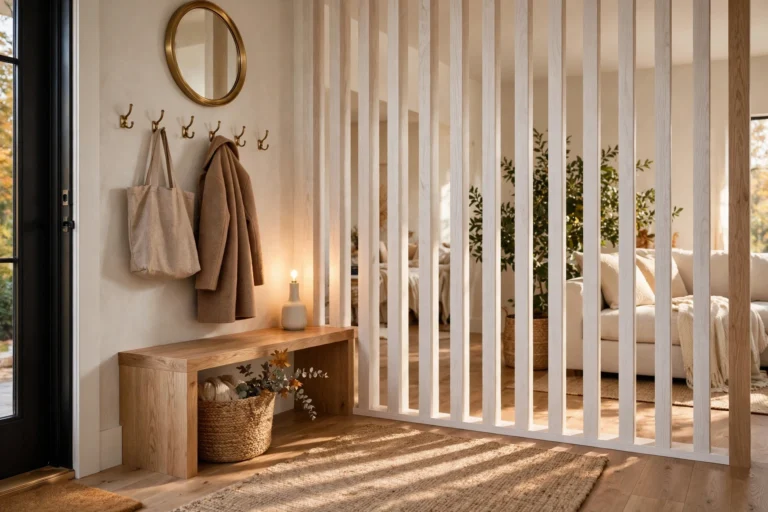
Greet guests with something green. Set a medium plant on a console, or place a slim floor plant by the door, such as a parlor palm, or an olive tree if you have bright light. Add a tray for keys beside it and a hook above for bags, so the plant becomes part of a tidy landing zone. Pick a pot with a heavy base so it won’t tip when a coat swings by. Entryways often get little light, so choose a tough plant or a good faux one if the door area is dark.

9. Sunroom Indoor Jungle
A bright room can handle a lot of plants, and that’s where an indoor jungle shines. Layer big leaves like monstera, bird of paradise, and fiddle-leaf fig behind trailing plants and small pots in front. Group plants by light and water needs, with sun-lovers closest to the glass. Run the same two pot colors through the whole room so it looks planned instead of random. Leave a clear path and one seat so you can actually enjoy the space. Many of these plants are toxic to pets, so check the ASPCA list first.

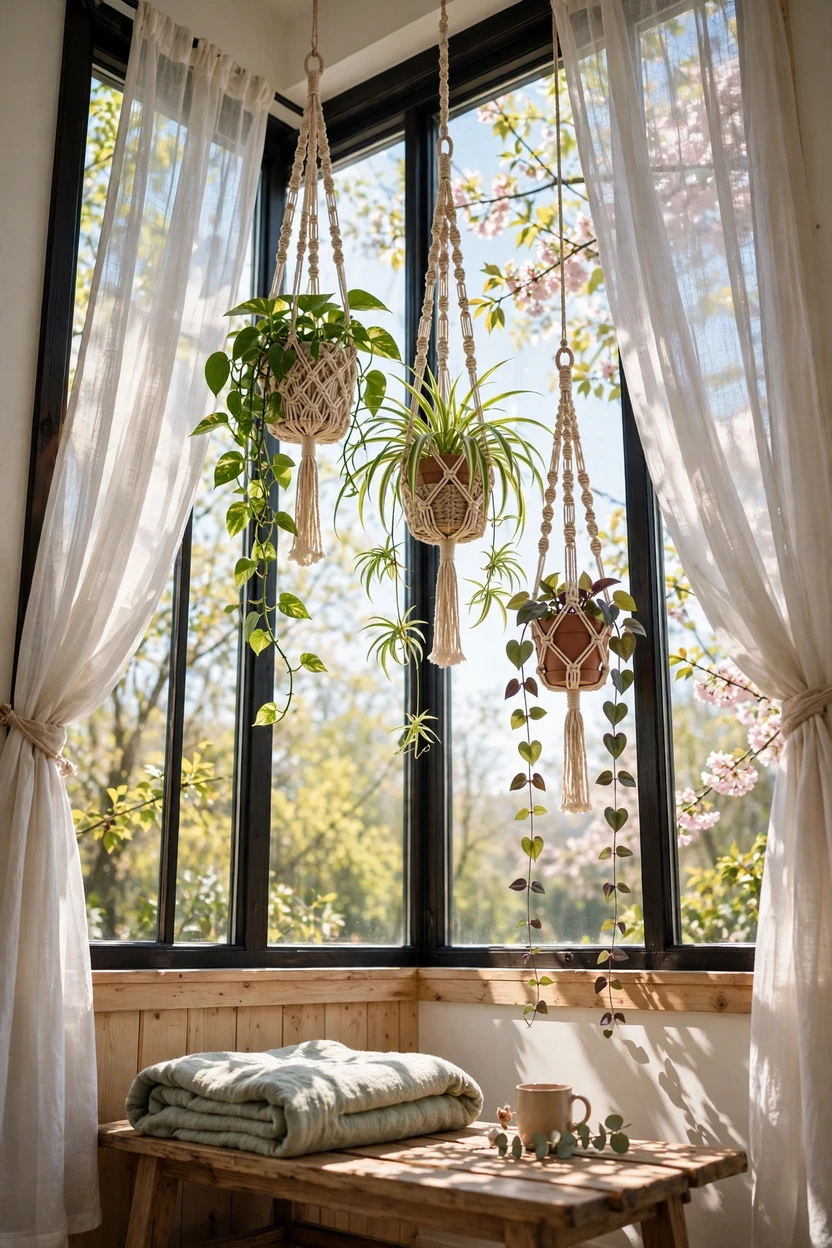
10. Trailing Plant Window Curtain
Hang plants at a window and the glass becomes a living curtain. Use ceiling hooks or a sturdy curtain rod to hang three pots at different lengths, such as pothos, string of hearts, or a spider plant. Make sure each hook or rod is rated for the weight of a watered pot, since wet soil is heavy. Place a catch tray or saucer under each one to protect floors. Rotate the plants every few weeks so each side gets light.
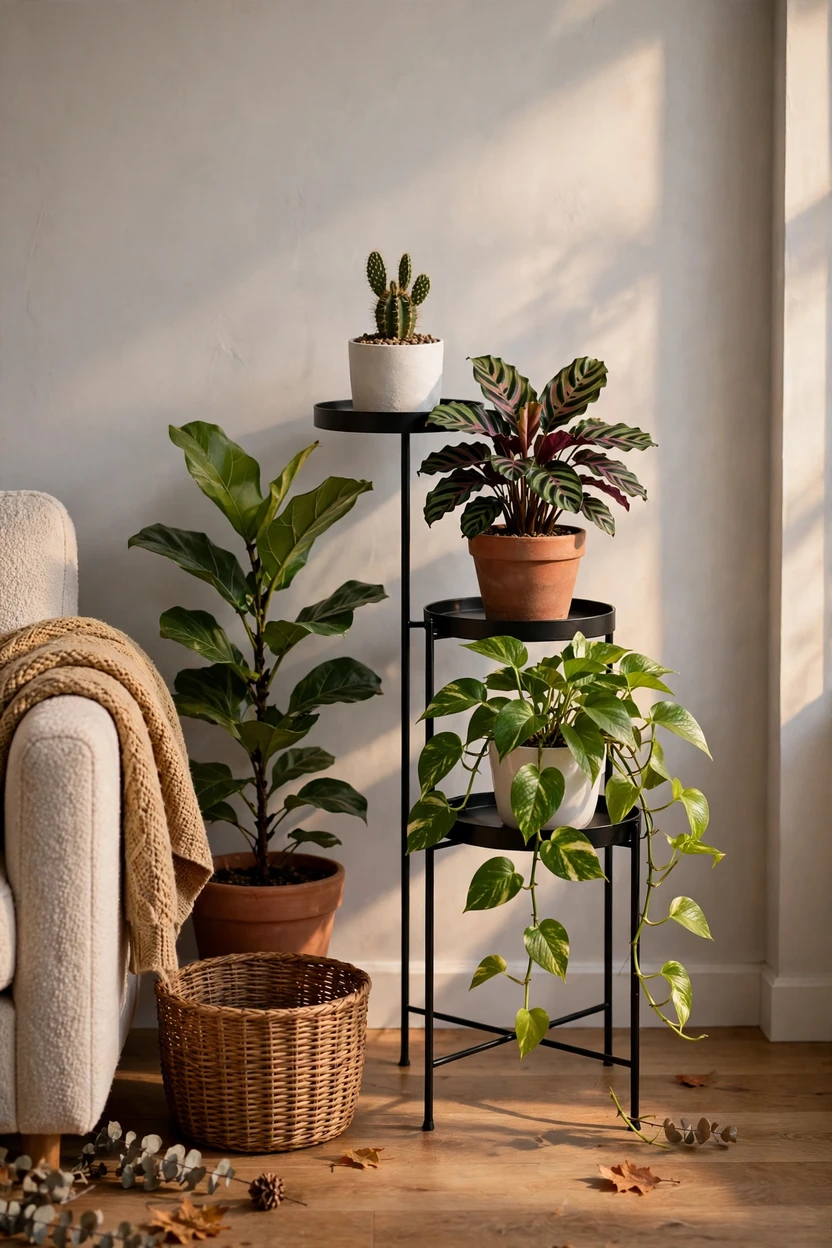
11. Tiered Plant Stand Corner
A plant stand is the easiest way to build a tall, mid, and trailing trio in one spot. Choose a three-tier or ladder-style stand in wood or black metal, and place a small plant on top, a medium one in the middle, and a trailing plant at the bottom. Use pots in two matching colors so the stack looks neat. Keep light-loving plants on the tier nearest the window. Put a tray on the floor beneath to catch drips.
12. Wall-Mounted Planters
Wall planters give you plants without using floor or table space. Hang small ceramic pots on a rail, a shelf, or a wooden frame, and fill them with lightweight plants like pothos, ivy, or air plants. If you rent, use removable hooks or a tension rod, and check the weight limit on the packaging. Group three to five planters in a loose cluster, and leave blank wall around them. Keep them away from the sofa or bed so dripping water can’t land there. English ivy and pothos are toxic to pets, so check the ASPCA list.

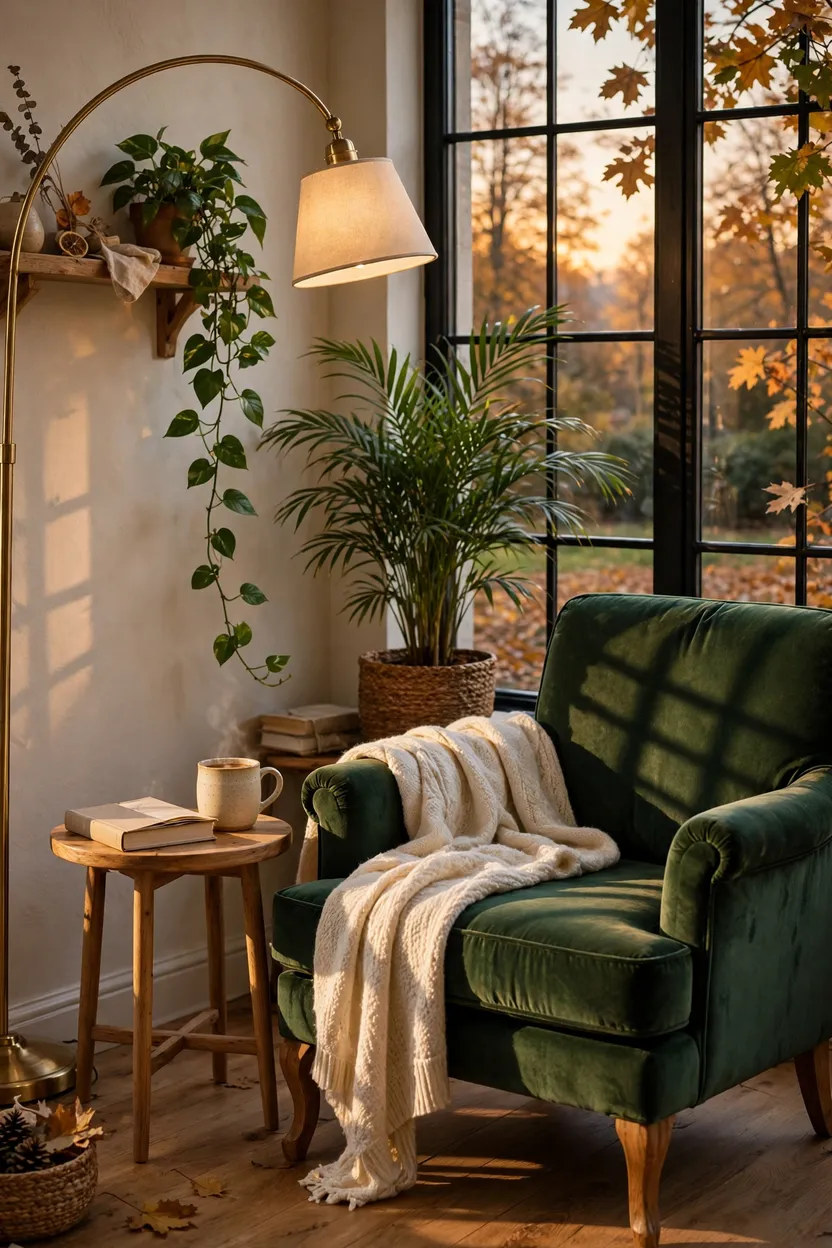
13. Reading Nook Surrounded by Greenery
A chair, a lamp, and a few plants make a hideaway you can use every day. Put a comfy chair near a window, add a tall plant behind it, and set a small trailing plant on a side table or shelf. A plant with soft arching leaves, like a parlor palm, makes a gentle backdrop. Use a floor lamp with a warm bulb so the plants glow at night. Keep a small tray under pots in case someone knocks one over.
14. Pet-Safe Green Corner
Pet-safe plants let you enjoy greenery without worrying. Pick options the ASPCA lists as non-toxic, such as spider plants, Boston ferns, parlor palms, calatheas, and cast iron plants, and confirm the Latin name before you buy. Place plants on stands or hang them where curious cats can’t reach, and use heavy pots so they can’t tip. Even safe plants can upset a stomach if eaten in bulk, so offer pet grass as a chew option. Skip toxic favorites like pothos, philodendron, and snake plant if your pet likes to nibble.

15. Faux-and-Real Mix for Dim Rooms
Some rooms don’t get enough light for real plants, and that’s okay. Put a real low-light plant, like a ZZ plant or a cast iron plant, closest to the window, and use realistic faux plants farther back. Choose faux stems with matte leaves in varied shades, since glossy plastic looks fake in photos. Add a small grow light on a timer for real plants that need a boost. Dust faux leaves monthly, and match the pot colors so real and faux plants read as one set.

Styling Tips
- Use the Balanced Plant Trio. One tall plant, one mid-height group, and one trailing plant give a room height, fullness, and softness.
- Repeat your pots. Use the same pot color or material at least three times, so mixed plants look like a set.
- Group in odd numbers. Three or five pots look natural, while pairs and fours can look stiff.
- Mix leaf shapes. Pair big, bold leaves with fine, feathery ones for contrast.
- Leave empty space. Keep about a third of any shelf or table clear so the plants stand out.
- Raise the short plants. A stool, stand, or stack of books gives small plants presence.
- Match plants to the room’s mood. Glossy leaves feel crisp and modern, while soft, trailing leaves feel cozy.
- Wipe the leaves. Dust blocks light and dulls the shine, so a quick wipe every few weeks helps.
Practical Implementation Ideas
A good plant room starts with the light, not the pot. Work through these steps in order.
- Map your light. Note which direction each window faces. A sharp, clear shadow from your hand means bright light, a soft one means medium, and a faint one means low.
- List your limits. Think about pets, kids, travel, and how much time you really have to water.
- Choose the trio for each room. Pick one tall plant, one group, and one trailing plant that suit the light.
- Pick pots with drainage. Use a nursery pot with holes inside a decorative cachepot, and choose a pot about 1 to 2 inches wider than the root ball.
- Group by water needs. Keep thirsty plants together and dry-lovers together so care is simple.
- Protect surfaces. Use saucers, trays, cork mats, or waterproof liners under every pot, and empty the extra water after watering.
- Check weight and stability. Wet soil is heavy. Confirm the shelf, hook, or stand can hold it, and steady tall plants so they can’t tip.
- Water by feel. Check the soil with your finger before watering, not by the calendar.
- Mind drafts and heat. Keep plants away from heaters, vents, and cold glass in winter.
- Review after a month. Yellow leaves, leaning stems, or crispy edges mean it’s time to adjust light or water.
Common Mistakes to Avoid
- Ignoring light. The best-looking spot isn’t always the best growing spot. Choose the plant to fit the light.
- Trusting the “low-light” label too much. Low-light plants survive dim rooms but still need some daylight.
- Pots without drainage. Water that can’t escape rots roots. Use a cachepot or a drainage layer and tray.
- Overwatering. Soggy soil kills more houseplants than dry spells. Check before you water.
- Forgetting pets. Many popular plants are toxic to cats and dogs. Check the ASPCA list by Latin name.
- Heavy pots on weak shelves. Wet soil adds weight fast, so check the load limit.
- Scattering tiny pots everywhere. A few small plants on every surface can look like clutter. Group them.
- Mixing too many pot styles. Pick two or three colors or materials, and repeat them.
- Blocking walkways. Large plants shouldn’t sit where people brush past them every day.
- Skipping the grow light. In a dim room, plants stretch, fade, and drop leaves. Add light or switch to faux.
Small-Space Alternatives
- Go vertical. Use wall planters, floating shelves, and hanging pots to free up floor and table space.
- Use the window ledge. Line up small herbs or succulents on a sill where light is best.
- Try one statement plant. A single tall plant often looks better than five small ones in a tiny room.
- Add a stool or small stand. Raise a plant to give it presence without taking much space.
- Choose compact plants. Peperomia, small pothos, and snake plants stay tidy in small rooms.
Budget-Friendly Alternatives
- Under $25: propagate cuttings of pothos or spider plants in a glass jar, thrift pots and baskets, and use saucers you already own.
- $25 to $100: add a plant stand, a hanging planter, or a pair of matching pots to make plants look styled.
- $100 and up: buy one larger statement plant, a small grow light, or a sturdy shelf.
- Use nursery pots inside baskets. A woven basket hides a plastic pot and looks like a designer planter.
- Swap cuttings with friends. Many plants share easily, and free plants are the best kind.
- Buy fewer, healthier plants. One strong plant in the right spot looks better than five that struggle.
Pro Styling Recommendations
- Think in groups. Plants look better in clusters, because the leaves overlap and fill gaps.
- Vary the height. Use floor plants, table plants, and hanging plants so the eye travels around the room.
- Echo your decor. Pick pots that match your rug, wood tone, or metal finish.
- Frame your focal points. Place a plant beside art, a fireplace, or a favorite chair to highlight it.
- Balance both sides. If one side of the room has a big sofa, add a tall plant on the other side to even out visual weight.
- Rotate seasonally. Move plants to brighter spots in winter and shade-loving ones away from hot summer glass.
Conclusion
Balance isn’t about filling your home with plants. It’s about putting the right plant in the right spot, so every room has a little height, a little softness, and something alive to look at.
Start with one room and one idea. Check the light, choose your trio, and give each pot a saucer. Then watch how a bare corner or a flat shelf begins to feel finished. Save your favorites to a board, and let your home grow into the balance it’s been missing.