15 Toddler Girl Bedroom Ideas That Feel Personal
Some toddler rooms look like a catalog page. Every pillow is plumped. Every toy sits in a matching bin. And somehow, no child seems to live there.
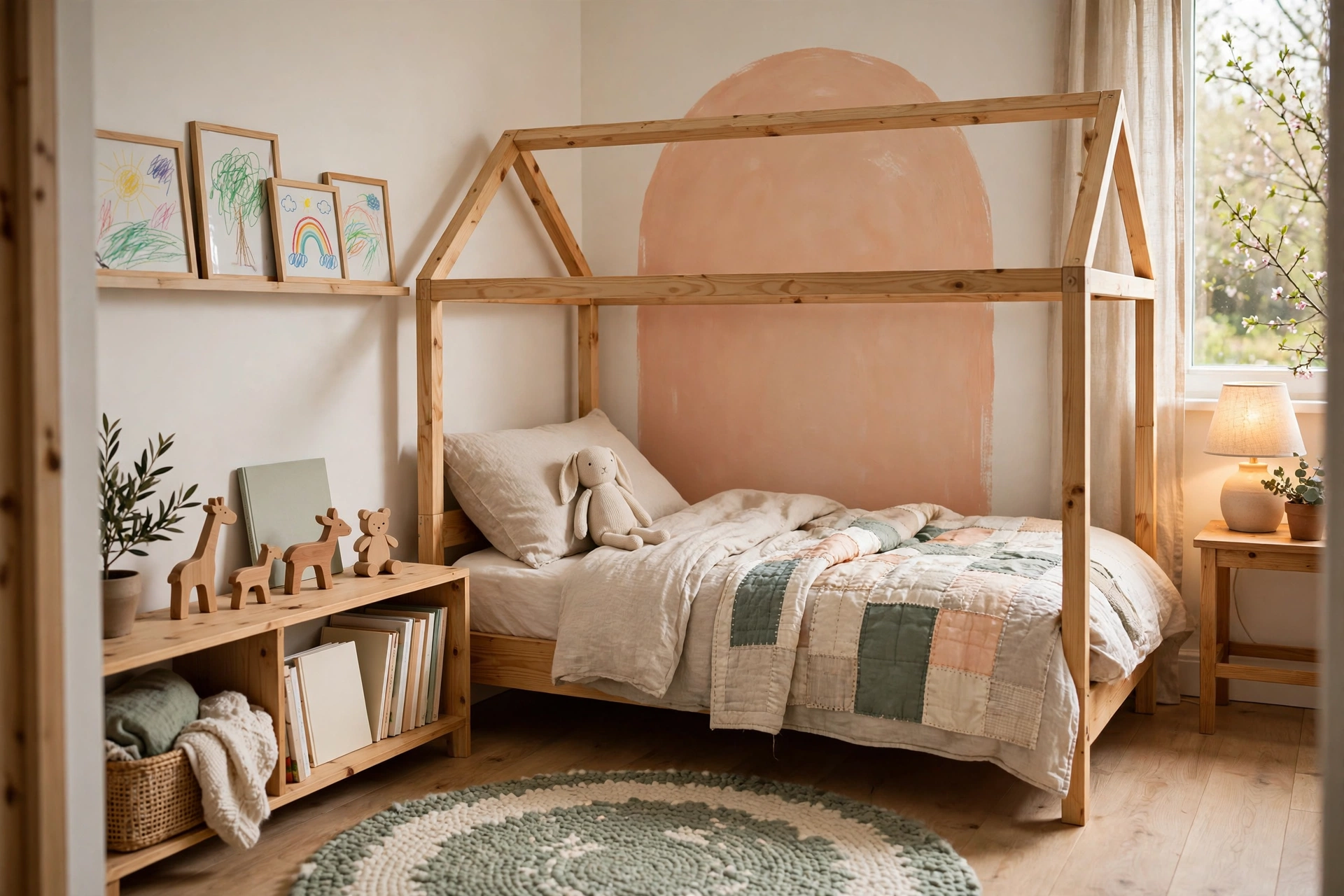
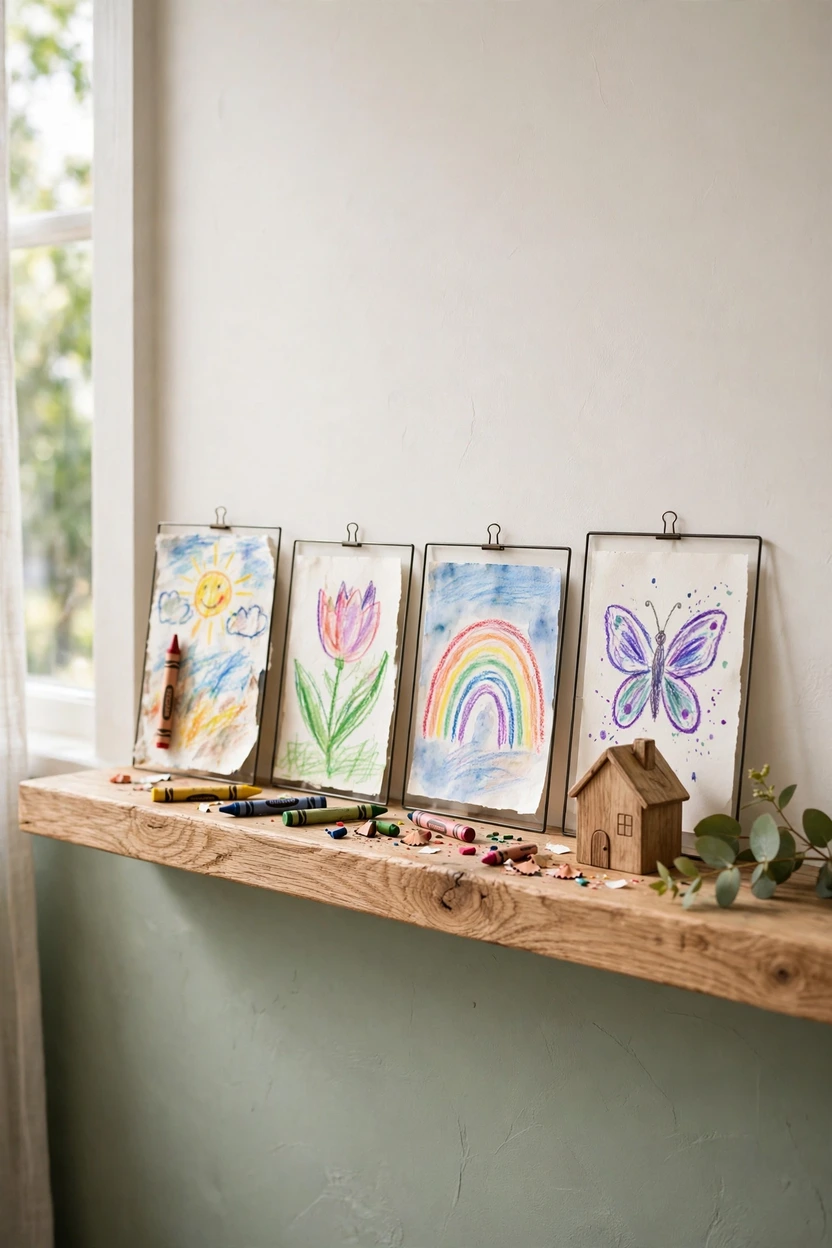
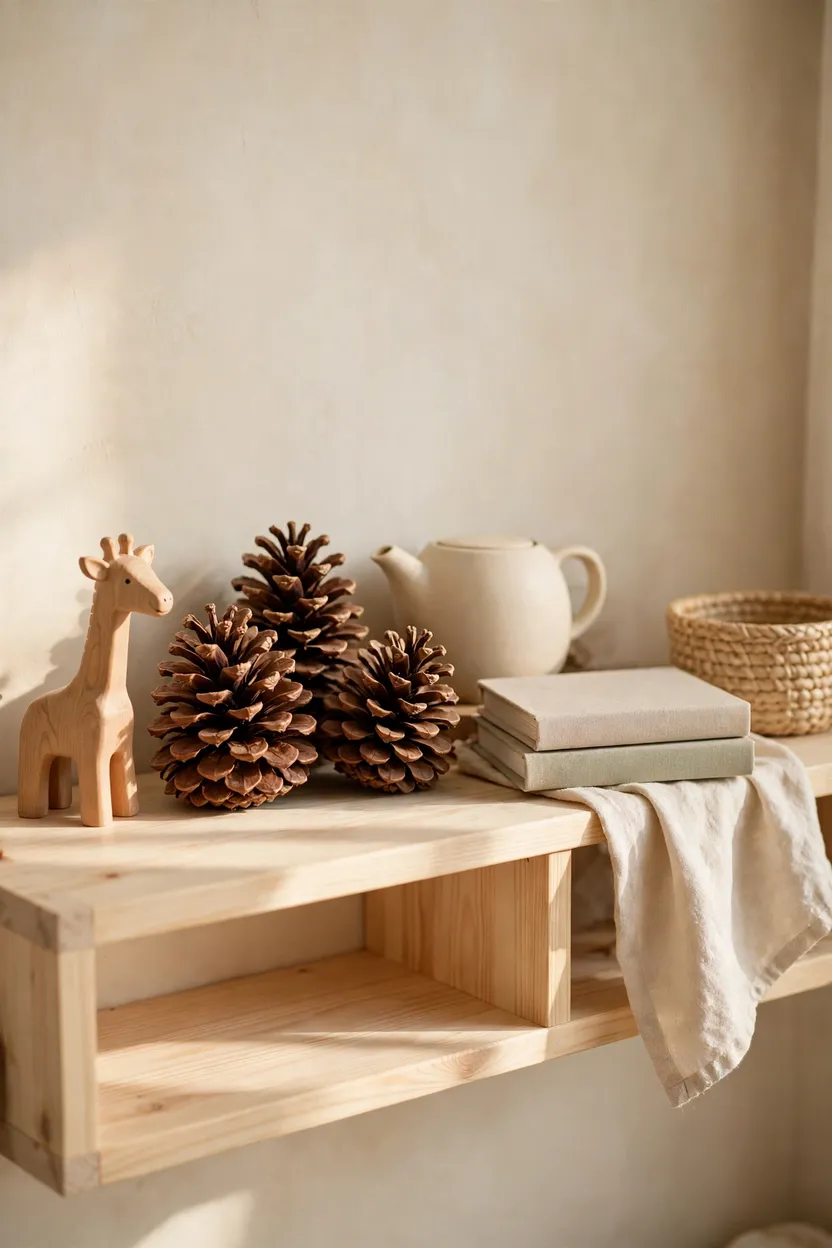
Now picture another room. A crayon drawing leans on a low ledge. A stuffed bunny rests on the pillow with one ear bent. A shelf holds three smooth pinecones and a wooden giraffe, because those are her favorite things this month.
That is a toddler girl bedroom that feels personal. It does not need a theme or a big budget. It needs a calm base, a few things she picked, and a layout that works at her height.
Below are 15 toddler girl bedroom ideas, each with the reason it works, plus safety notes, small-space fixes, budget swaps, and answers to common questions.
Table of Contents
Quick answer: What makes a toddler girl bedroom feel personal? A personal toddler room uses her own art, her favorite colors, and her treasures, placed at her height. The base stays calm, with soft colors and simple furniture, so her things become the decoration.
The simple formula: one thing she chose, one thing she made, one thing you love, and a calm background. Add safe, low storage and you are done.
Safety first: anchor tall furniture to the wall, use cordless window coverings or keep cords out of reach, and keep anything small or heavy away from her hands. Follow the age labels on every product you buy.
1. Let Her Choose One Big Thing
Give your toddler a real vote on one item, such as the quilt, the rug, or the color of one wall. Offer two or three options you already like, so any pick works in the room. Toddlers often lock onto a color or an animal, and that choice can guide the rest of the palette. Her pick makes the room feel like hers, not a showroom. Keep everything else calm so her choice is the star.

2. Add a Kid-Height Picture Ledge for Her Own Art
Mount a narrow picture ledge about 30 to 36 inches from the floor, so she can see her own drawings every day. Pick a ledge with a front lip, which lets you swap art without any hanging hardware. Use light clip frames or plain card, not heavy glass, for anything within her reach. Group three to five pieces and let the scribbly, crooked ones stay. A wall of her own marks says a child lives here faster than any decal can.
3. Build a Low Treasure Shelf
A low open shelf, about 12 to 24 inches off the floor, gives her a place for the things she loves. Fill it with large, safe objects such as smooth wooden animals, big pinecones, a toy teapot, and a few board books. Keep items bigger than the opening of a toilet paper tube, so nothing small can end up in her mouth. Leave a little space between objects so each one gets noticed. A shelf she can reach lets her make choices, which is a quiet kind of personality in a room.
4. Choose a Low Bed That Feels Like a Little House
A low bed or floor bed with a house-shaped frame gives her a cozy spot she can climb into on her own. Choose a model with a firm mattress, safety rails if she needs them, and no gaps where small limbs can get stuck. Check the maker’s age guidance before you buy. If you want a canopy, hang the fabric well out of reach and skip loops, ribbons, or long strings. Add a soft rug beside the bed so morning feet land on something warm.

5. Make a Reading Nook With Front-Facing Books
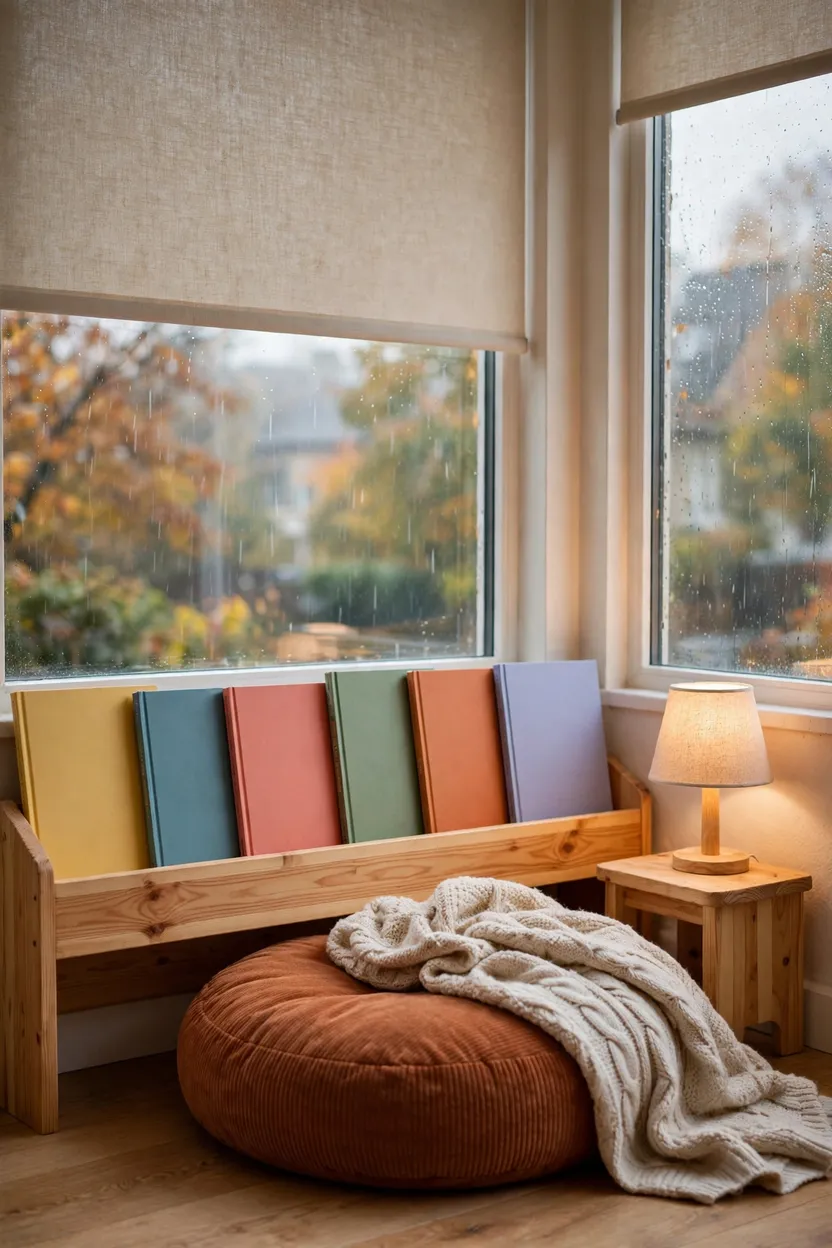
A corner with a floor cushion, a small lamp, and a front-facing bookshelf turns bedtime reading into a habit. Front-facing shelves show the covers, so she can pick a book by picture, not by spine. Choose a shelf that is low, stable, and anchored to the wall. Add a round floor cushion or a small armchair sized for her. Keep only 10 to 15 books out, and rotate the rest, so the nook looks inviting and not crowded.
6. Pull a Color Story From Her Favorite Things
Skip the default pink and take three colors from something she already loves, such as a picture book cover or a favorite stuffed animal. A sage, oatmeal, and soft rust mix feels calm and still warm. Use the lightest shade on the walls, the middle shade on large textiles, and the boldest shade in small doses. Colors tied to her favorite things feel personal because they come from her, not from a trend. If she truly loves pink, use a dusty or peachy pink and balance it with cream and wood.

7. Add Handmade Name Art and a Growth Chart
A hand-painted name sign gives the room an instant personal touch. Pick a light wood or canvas sign, and hang it high and securely above the bed or dresser. A wall-mounted wooden growth ruler is a gentle way to track her height each birthday. Both pieces grow in meaning every year, which makes the room feel like a story and not a set. Keep the colors soft and the lettering simple.

8. Layer Quilts, Rugs, and Mixed Textiles
A lived-in room gets its charm from layers. Start with plain linen or cotton sheets, add a patchwork or vintage-style quilt, and finish with a washable cotton rug. Mix one pattern with two plain pieces, so the eye has a place to rest. Choose machine-washable fabrics, since this is a room where juice and crayons will happen. Soft, slightly worn textiles look warm, and they never look staged.

9. Add an Open Clothes Rail and Basket Drawers
A low rail with a few pieces of clothing lets her pick her own outfit, which toddlers love. Mount or anchor the rail at about 32 to 36 inches, with rounded ends and a solid hold on the wall. Use two or three baskets or low drawers for socks, tights, and pajamas, and limit the rail to five or six items. Hang one or two favorite dresses where they can be seen, since clothes become part of the decor. Keep the rest of her wardrobe in the closet or a dresser that is anchored to the wall.
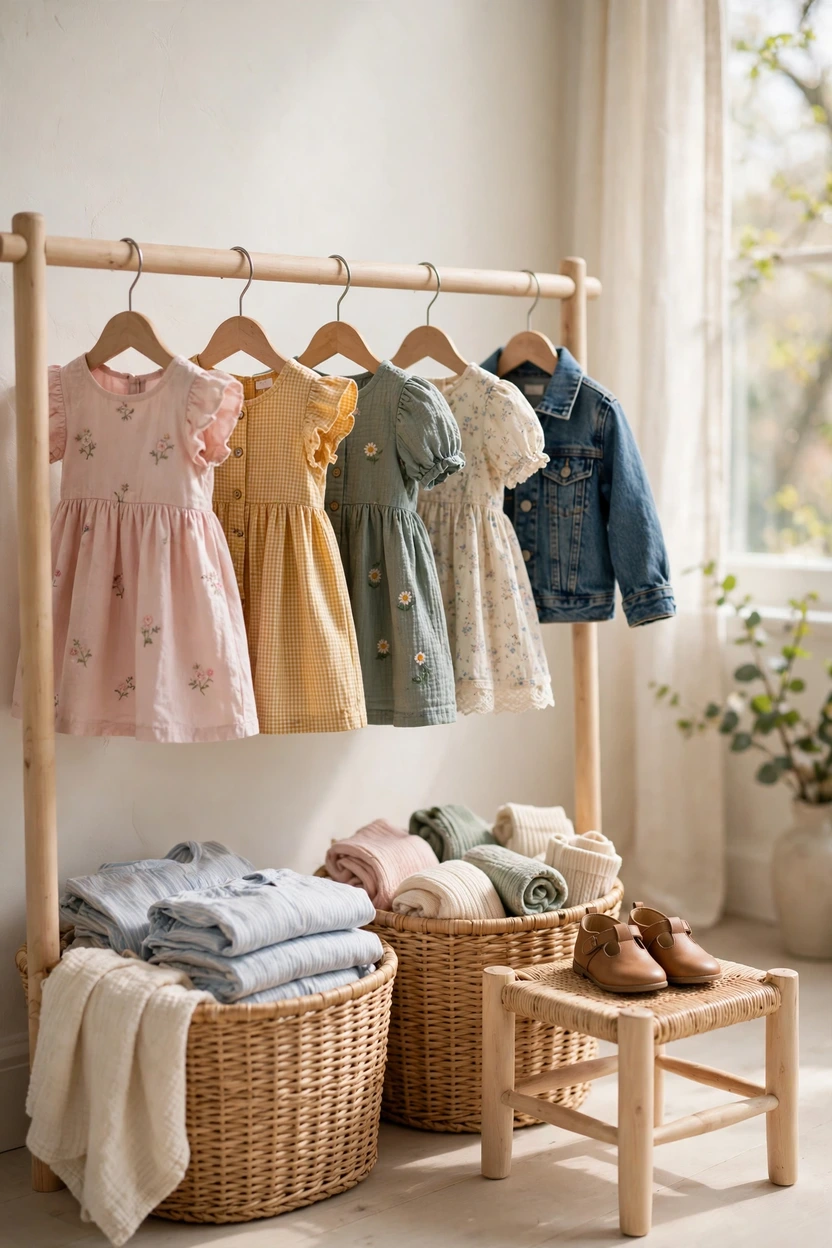
10. Use Rotating Toy Baskets With Picture Labels
Too many toys out at once makes a room look messy and makes play feel scattered. Keep three or four baskets on a low shelf and store the rest in a closet, then swap them every couple of weeks. Stick a simple picture label on each basket, such as a block, a doll, or a puzzle piece, so she can put things away on her own. Choose soft-sided baskets in natural fibers or felt, which are gentle on small fingers. A smaller, rotating set of toys keeps the room calm and helps her focus.
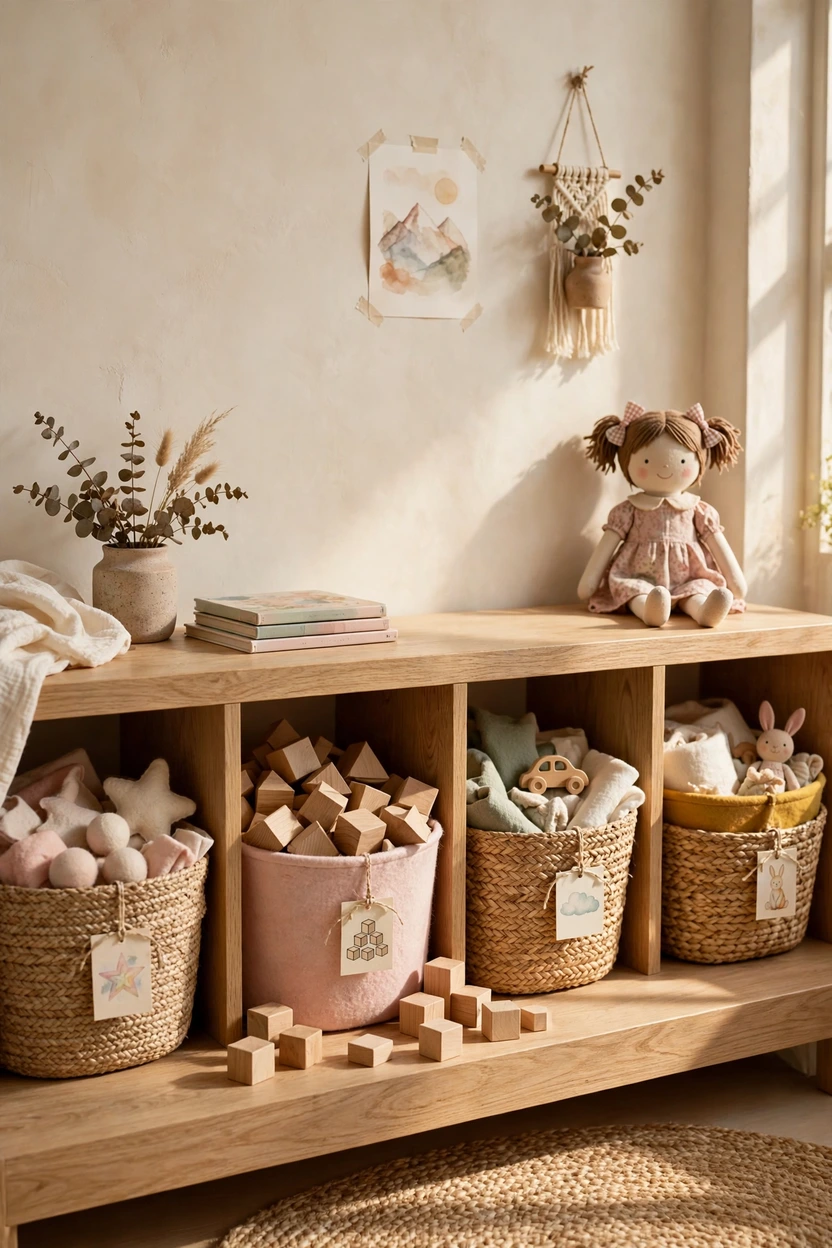
11. Hang a Low Family Photo Ledge
A small ledge with a few framed family photos helps a toddler feel connected, especially at bedtime. Pick lightweight frames in wood or soft plastic, and use acrylic instead of glass where she can reach. Mount the ledge firmly at about 36 inches, or higher if she climbs. Include Grandma, a pet, or her favorite cousin, and swap one photo every few months. Faces she knows make the room feel safe, and that feeling is hard to buy.
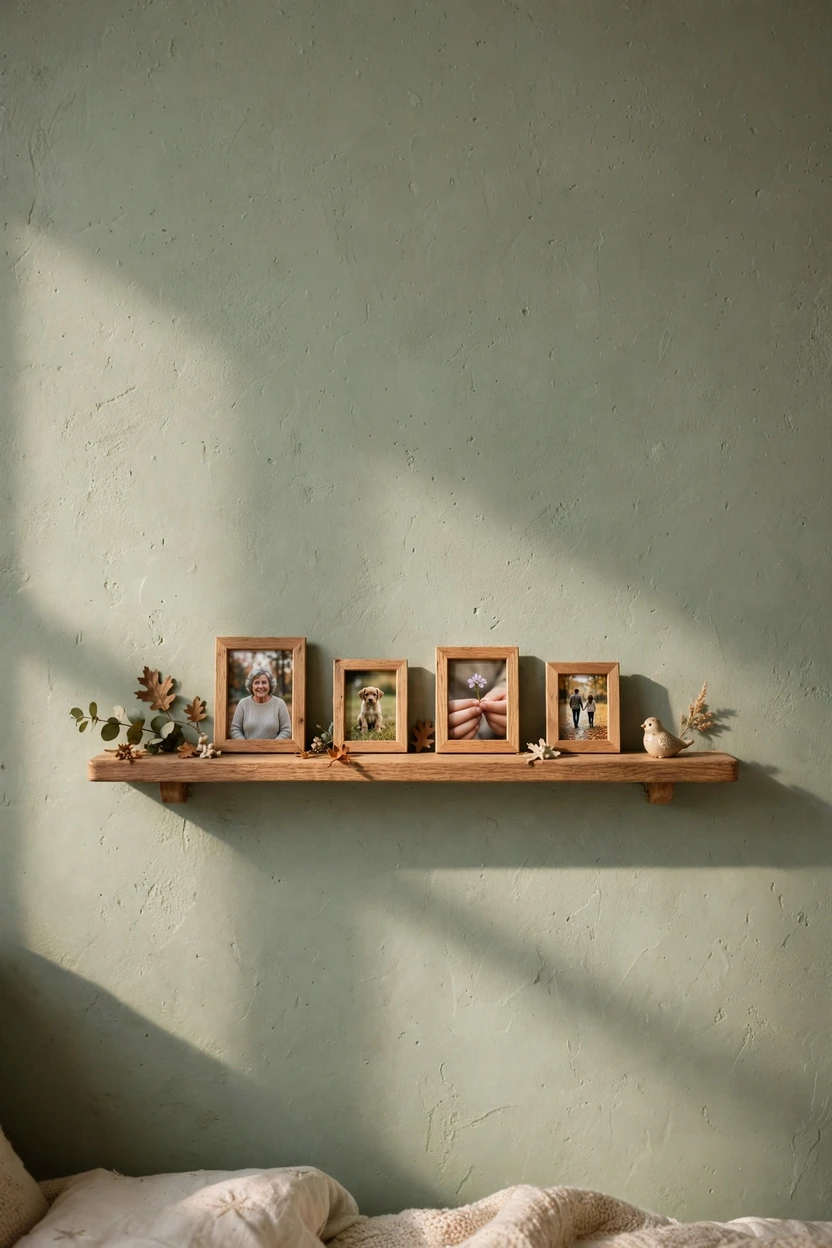
12. Set a Warm Night Light for Bedtime Calm
Soft, warm light tells a toddler that the day is winding down. Choose a plug-in or battery night light with an amber glow, not a bright white or blue one, and place it low and out of her reach. Add a small bedside lamp with a fabric shade for story time, and keep the cord tucked behind furniture. Use cordless blackout shades or curtains held back out of reach, so there are no loose cords near her bed. Layered, warm light makes the room feel snug, and it works on a nightly routine.
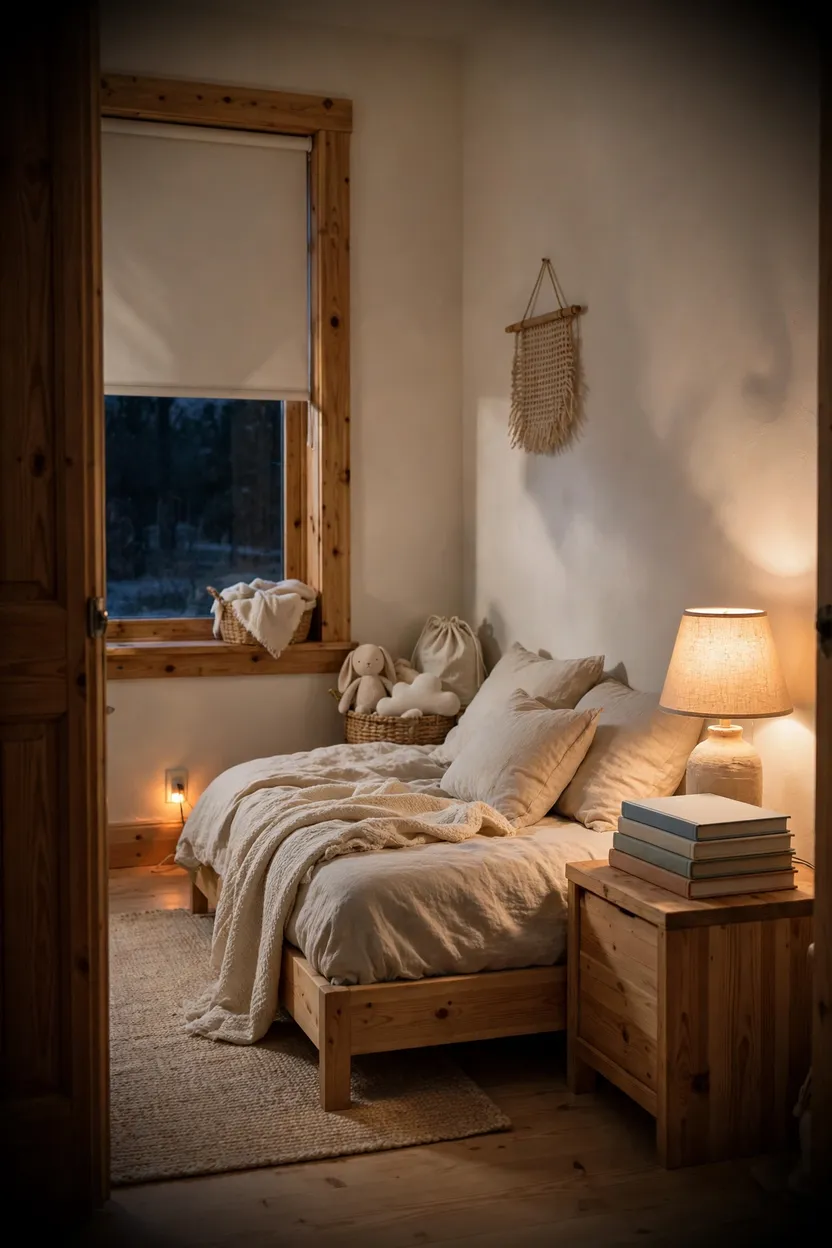
13. Try One Painted or Peel-and-Stick Feature Wall
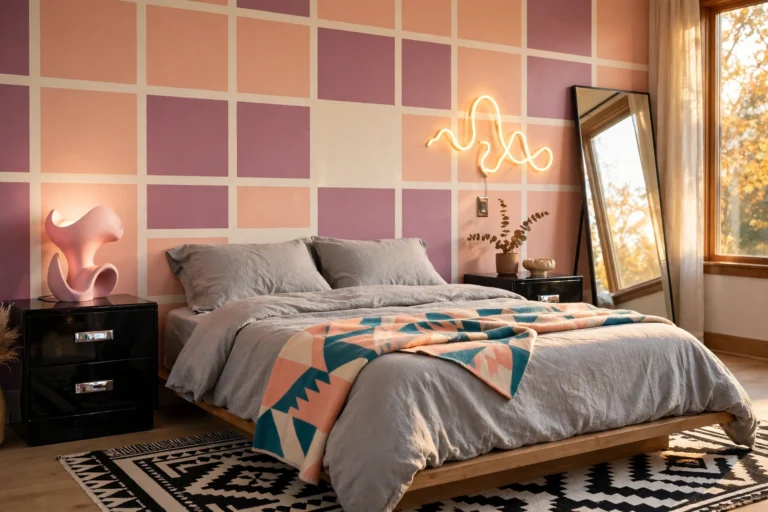
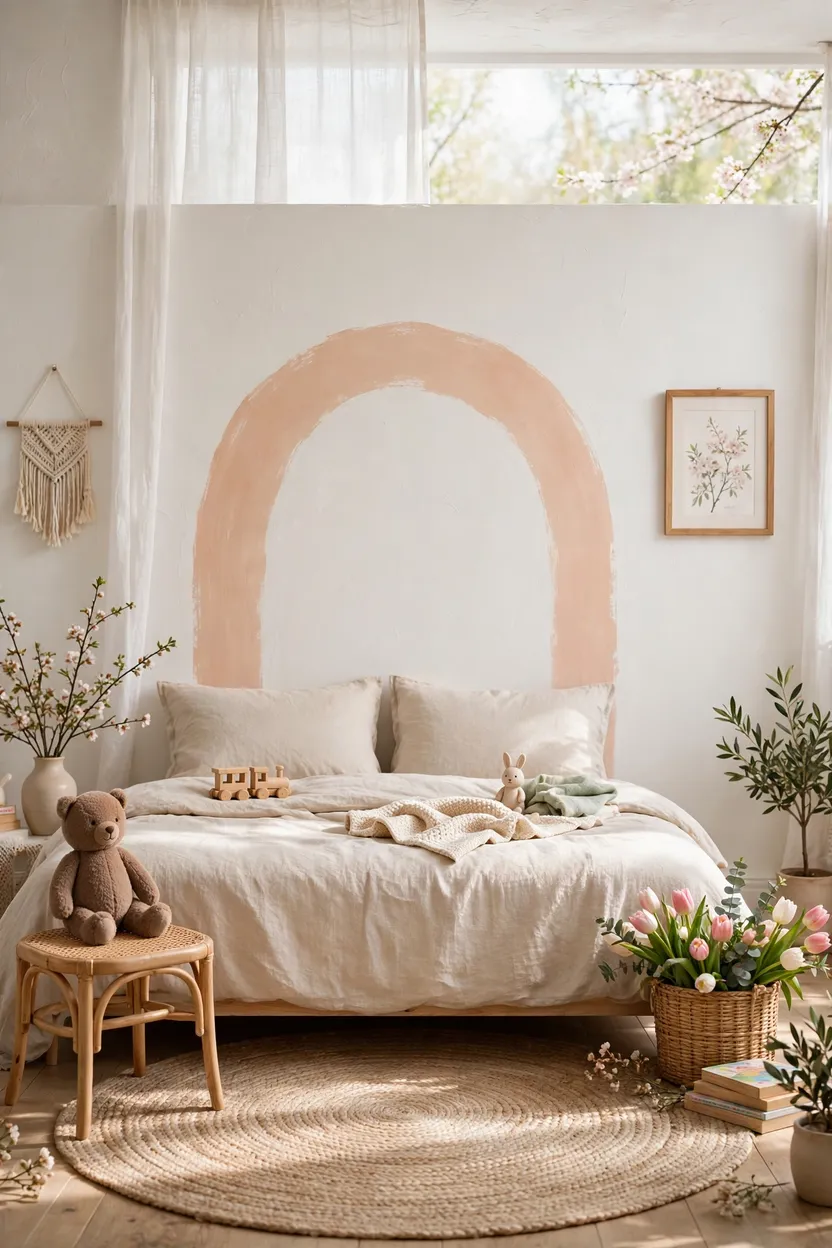
One feature wall adds personality without overwhelming a small room. Paint a half arch, a soft stripe, or a color block behind the bed, or use peel-and-stick wallpaper if you rent. Pick a gentle shade like peach, sage, or butter yellow and use a washable, low-sheen paint. Keep the other three walls in warm white so the room stays bright. A single bold wall gives the room a focal point, and it is easy to redo when her tastes change.
14. Set Up a Child-Size Drawing Corner
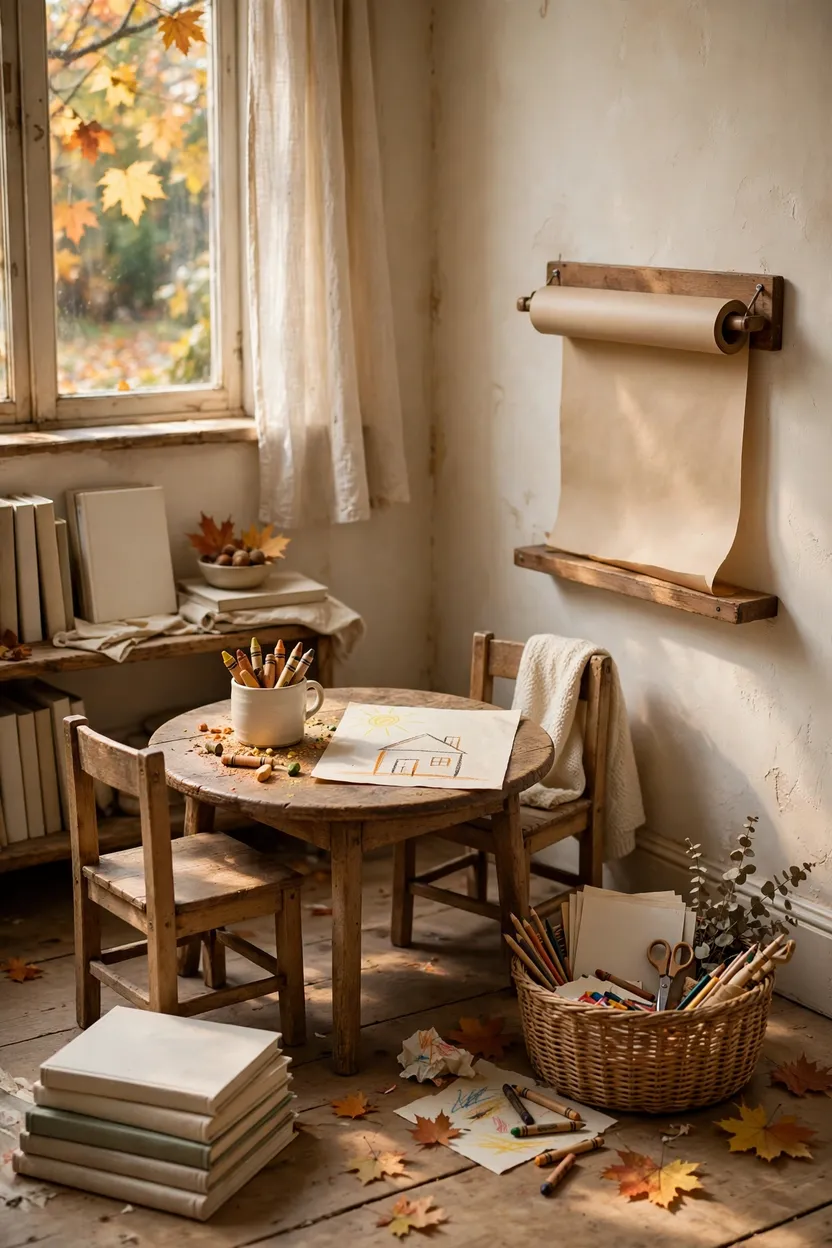
A small table and chair, sized for her, gives her a spot to draw, stack, and sort. Thrifted wooden sets often work well, and a light sanding and a coat of safe finish makes them look new. Keep a basket of chunky crayons and paper in reach, and let a roll of paper or a clip-on easel stay up as a changing backdrop. A table that is truly hers makes the room feel like a place for doing, not just sleeping. Choose rounded corners and check that the chair is stable.
15. Leave Open Floor Space for Real Play
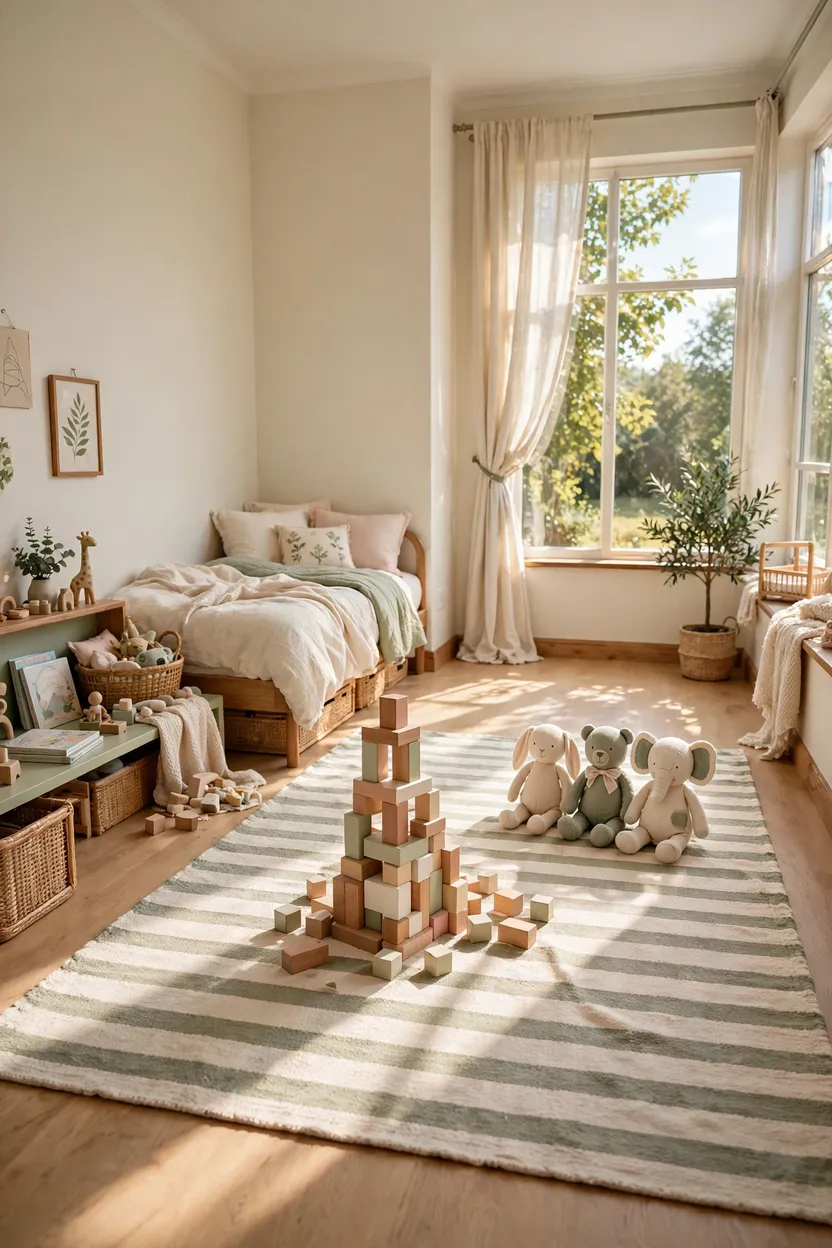
The most personal thing a toddler room can offer is room to move. Aim to keep at least half the floor clear, with a large washable rug where she can build, dance, or line up her animals. Push furniture to the edges, and avoid placing anything tall or tippy in the middle. An open floor also looks calmer, which helps the whole room feel more inviting. A room that has space for play shows that someone plays there, and that is the real opposite of staged.
Styling Tips
- Start with a calm base. Warm white or a soft neutral on the walls lets her things stand out.
- Use the rule of three colors. Pick one main shade, one support shade, and one small accent.
- Style at her height. Walk the room on your knees once. Move art, shelves, and hooks to where she can see and reach them.
- Let something be imperfect. A crooked drawing or a bent bunny ear makes the room feel real.
- Choose washable fabrics. Cotton, linen, and wool blends survive juice, crayons, and daily wear.
- Mix one pattern with plain pieces. A quilt, a stripe, or a gingham pillow is enough. More starts to look busy.
- Keep surfaces light. Three or four objects on a shelf look better than ten.
- Rotate, don’t add. Swap a book, a toy, or a drawing instead of buying something new.
Practical Implementation Ideas
Follow this order, so you spend time and money in the right places.
- Do a safety pass first. Anchor tall furniture to the wall with anti-tip straps or brackets. Switch to cordless window coverings, or secure cords out of reach. Check that windows have working locks and that no furniture sits under a window she could climb to. Cover outlets and remove anything small or sharp from her reach.
- Pick the bed. Choose a low bed or floor bed that suits her age, and read the maker’s age and safety guidance.
- Ask her. Offer two or three choices for one item, and let her pick.
- Set the storage. Add low shelves, baskets, and an open rail before decorating.
- Layer the textiles. Add sheets, a quilt, and a washable rug.
- Add the light. Place a warm night light and a small lamp with the cord tucked away.
- Style with her things. Put her art on the ledge, her treasures on the shelf, and her books in the nook. Then stop.
Common Mistakes to Avoid
- Skipping furniture anchoring. Dressers, bookcases, and tall shelves can tip. Anchor every tall piece.
- Leaving window cords loose. Loose cords are a strangulation risk. Use cordless shades or secure cords high and out of reach.
- Filling the room with a theme. A full unicorn or princess room can feel dated fast. Use one or two themed pieces and keep the rest neutral.
- Buying everything at once. Her likes change quickly. Start with the bed, storage, and rug, and add as she grows.
- Hanging heavy art over the bed. Use lightweight pieces and secure them well, or place heavier art on a wall away from the bed.
- Using small decor within reach. Keep objects bigger than a toilet paper tube opening on low shelves.
- Too many toys on show. Rotate them so the room stays calm.
- Dark rooms at bedtime. Add a warm night light and a lamp so she feels safe.
Small-Space Alternatives
- Very small room: Use a low bed, a wall-mounted picture ledge, and a single low shelf. Skip the dresser if the closet can hold clothes.
- Shared room: Give each child a color, a shelf, and a hook, so each has a spot that is clearly theirs.
- Bed against a wall: Use a bed with built-in storage drawers, or add flat storage baskets underneath.
- No closet: Use an anchored wardrobe or a low open rail with a basket for each category.
- Narrow room: Run furniture along one long wall and keep the other side open for play.
- Corner nook: Fit a floor cushion, a front-facing shelf, and a small lamp into a corner, no larger than three feet square.
Budget-Friendly Alternatives
Prices vary by store and region, so treat these as rough ballparks.
- Picture ledge: A simple wood ledge or a narrow shelf costs far less than custom wall art and works with any drawing.
- Quilt and linens: Thrift stores and flea markets often have washed cotton quilts and sheets at a fraction of new prices.
- Small table and chairs: Secondhand wooden sets, lightly sanded and re-finished with a child-safe finish, look good and last.
- Painted arch: A sample pot of paint and painter’s tape can create a wall feature for the cost of one can.
- Baskets and bins: Check secondhand shops for woven baskets, then add simple picture labels.
- Growth chart: Make one from a pine board and a marker.
Where to spend a bit more: The bed and mattress, the anchoring hardware, and cordless window coverings, because safety and sleep matter most. A light refresh with bedding, a rug, a ledge, and a lamp often lands in the low to mid hundreds of dollars.
Pro Styling Recommendations
- Think in zones. Give the room a sleep zone, a reading zone, a play zone, and a dressing zone. Each needs one clear piece.
- Hang things lower than you think. Pieces hung at adult eye level are invisible to her. Aim for 30 to 40 inches for art she should enjoy.
- Anchor first, decorate second. Safety hardware should be in place before any styling starts.
- Choose furniture that outlasts the stage. A simple wood shelf and a plain bed frame look good at age two and age six.
- Repeat one material. A warm wood tone on the bed, shelf, and stool ties the room together.
- Let her touch it. If she cannot touch or play with an item, it probably should not be in her room.
- Check the room at night. Turn the main light off and see if the night light and lamp give the right glow.
Conclusion
A toddler girl bedroom does not need a theme to feel special. It needs a few things that are truly hers: a drawing she made, a shelf she can reach, a color she picked, a corner where she can curl up with a book.
You do not need all 15 ideas. Start with safety, add a low bed and storage, and let her pick one thing. Then watch how she uses the room, and change one small item at a time.
A room that feels loved will always beat a room that looks perfect in a photo.