17 80s Bedroom Ideas That Feel Bold, Not Messy
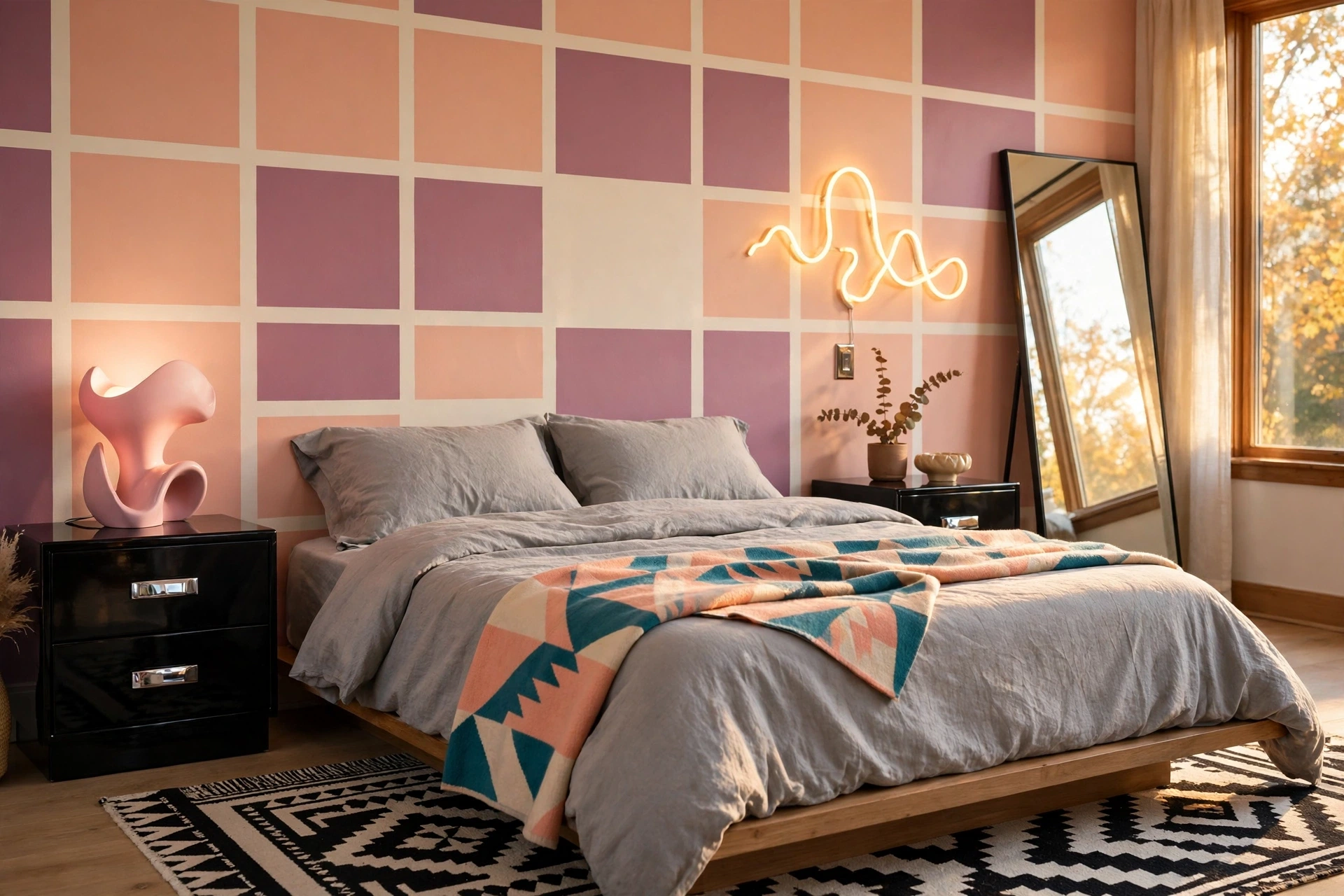
Picture it. A bed with a soft gray cover and one peach-and-teal throw. Behind it, a painted wall of squares and squiggles in three gentle colors. A glossy black nightstand holds a pink lamp, and a mirror catches the last of the sunset.
Now picture the other 80s bedroom. Neon everywhere. Five patterns that all want attention. A wall of posters, a mirror wall, a shag rug, and a lamp that is too bright to sleep near. Same decade, very different feeling.
The 80s were loud, and that is the fun of them. The trick is to treat the loud parts like seasoning. A few bold moves on a calm base look confident. Too many look like chaos.
That is the idea behind every look below: let one thing be wild, and let the rest be in control.
Quick answer: An 80s bedroom uses bold geometry, pastel or neon color, glossy finishes, mirrors, and retro tech details. To keep it livable, use the Chaos-Control Formula: 60 percent calm base, 30 percent supporting color, and 10 percent loud 80s punch, with only one loud focus per wall.
Below are 17 ideas with the sizes, lighting tips, and sleep-friendly choices that most inspiration pages leave out, so the room is fun to look at and easy to rest in.
Table of Contents
After the list: styling tips, how to plan it, mistakes to skip, small-space and budget versions, pro advice, and FAQs.
The 17 80s Bedroom Ideas
A Memphis-Style Grid Wall Behind the Bed
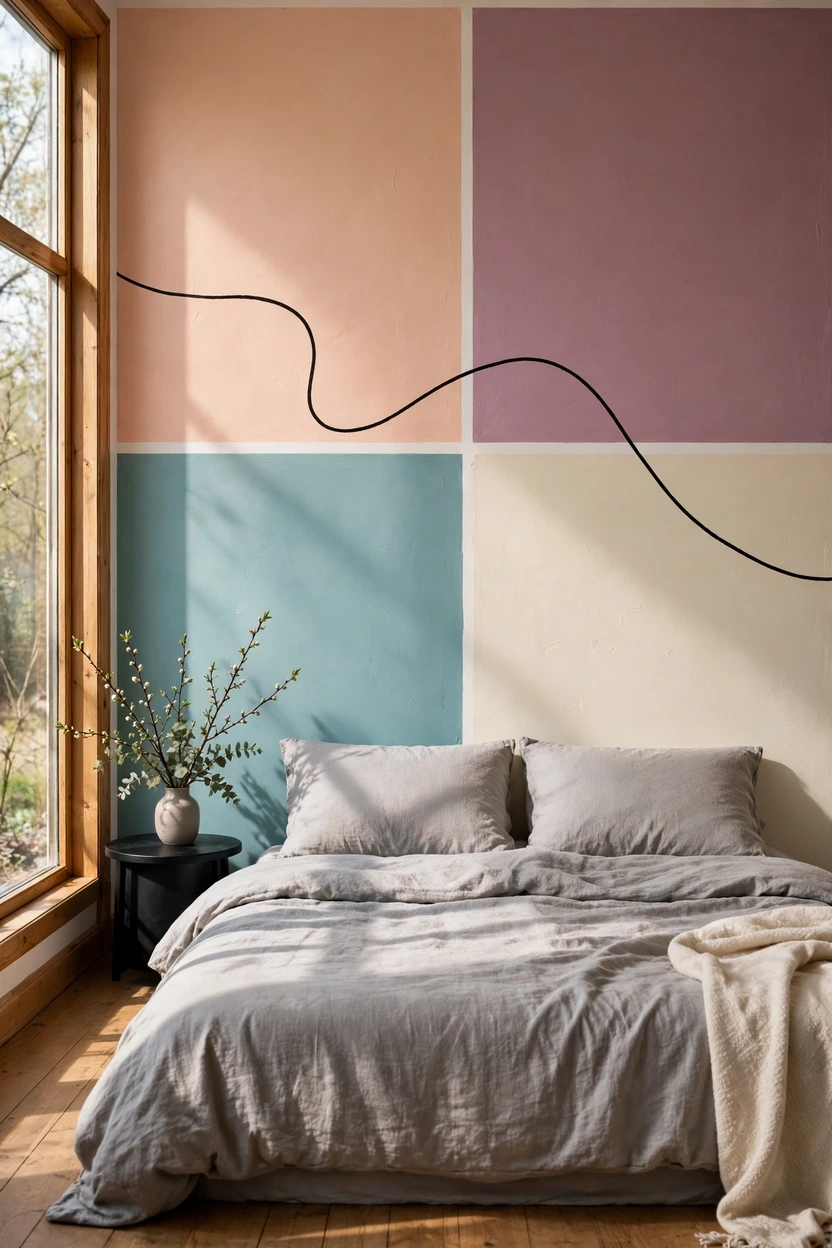
The Memphis Group, a Milan design collective from the early 1980s, loved playful shapes, bold lines, and bright color. You can borrow that energy with a painted wall behind the bed. Use painter’s tape to mark a grid of large squares, then fill a few in peach, mauve, and cream and leave the rest as your base color. Add one thin black squiggle or a triangle for the signature graphic touch. Keep the paint to the one wall behind the headboard, so the room has a clear focal point and the other walls stay calm.
A Peach, Mauve, and Teal Palette on a Calm Base
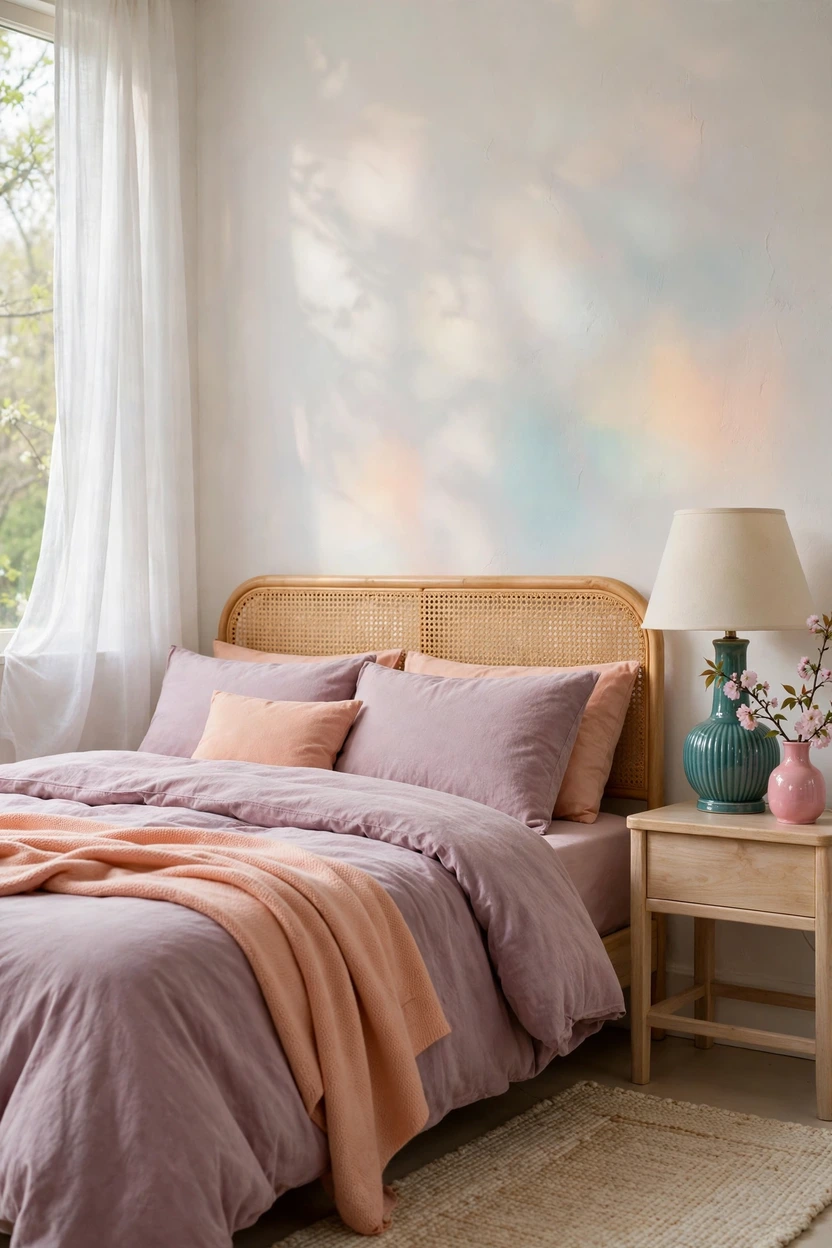
The easiest way to keep color under control is to give it a job. Paint most of the room a soft gray, cream, or warm white, which is your 60 percent. Add peach or mauve in bedding and curtains for your 30 percent, then use teal or hot pink in small pieces like a lamp, a vase, and a pillow for the last 10 percent. Pastel versions of 80s colors feel fresh and still read as retro. Look at paint samples in morning and evening light, since pinks and teals shift a lot during the day.
A Graphic Black-and-White Rug
A bold rug lets you add punch from the floor and keep the walls quiet. Choose a black-and-white geometric pattern with a few small color accents, such as pink or teal, so it ties to the rest of the room. For a queen bed, an 8 by 10 foot rug is a common size, and it should reach about 18 to 24 inches past each side of the bed. Put the rug under the lower two-thirds of the bed so your feet land on it in the morning. If the pattern is strong, keep the bedding simple and solid.

Glass Block as a Light-Catching Detail
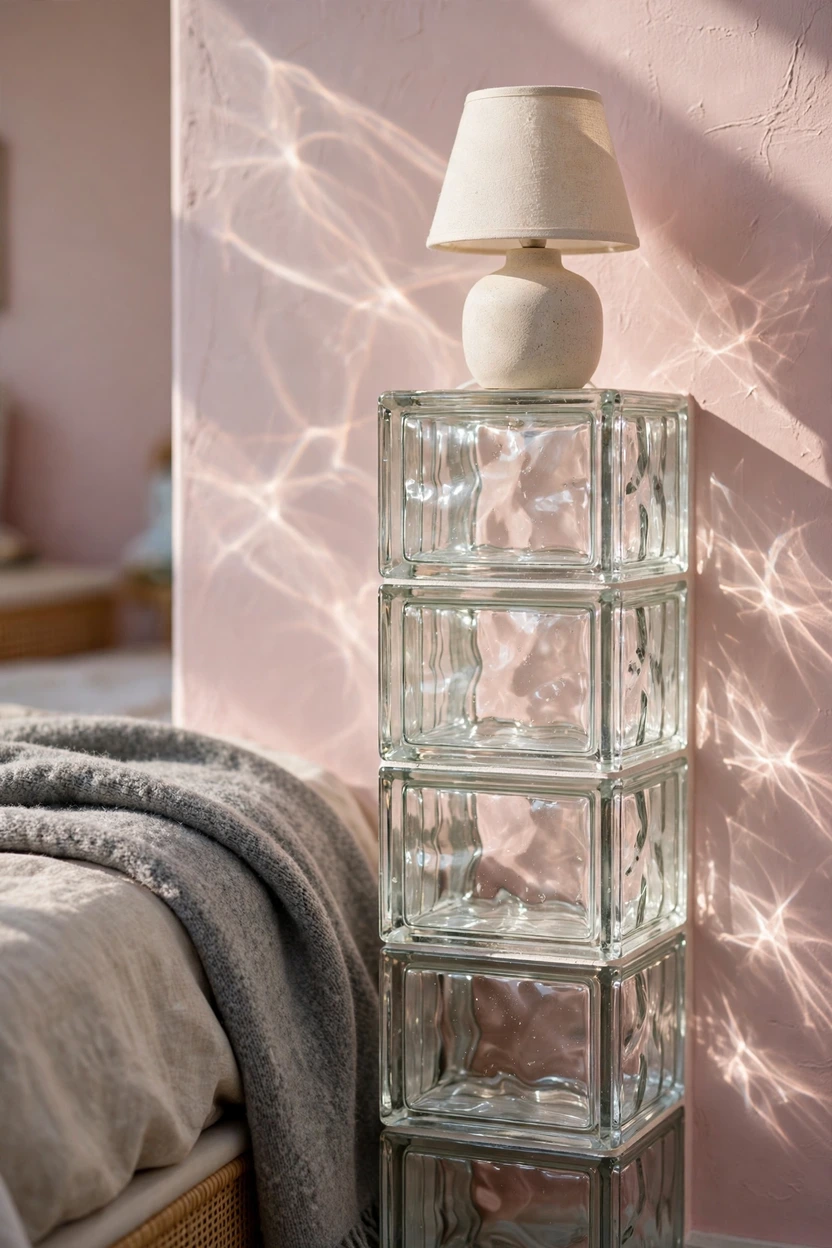
Glass block was a big architectural move in the 80s, and it still looks cool today. It lets light through and blurs the view, so it works well in a bathroom-adjacent wall, a window insert, or a short divider by the bed. Standard blocks are often 8 by 8 inches and about 4 inches thick. For a renter-friendly look, use stackable acrylic glass-look blocks as a bedside table or a small shelf base. Add a warm lamp behind or beside it, and the block glows softly at night.
A Mirrored Wardrobe or Leaning Mirror
Mirrors are a classic 80s move, and they make a bedroom feel bigger and brighter. A full mirrored wardrobe door works in a small room, while a tall leaning mirror is an easy no-drill option for renters. Place the mirror so it reflects a window or a nice corner, not the bed, which keeps the room calm at night. Anchor a heavy mirror to the wall for safety, and add safety film if you use a large glass panel. A thin black or chrome frame keeps the look sharp and not too fussy.

Black Lacquer and Chrome Nightstands
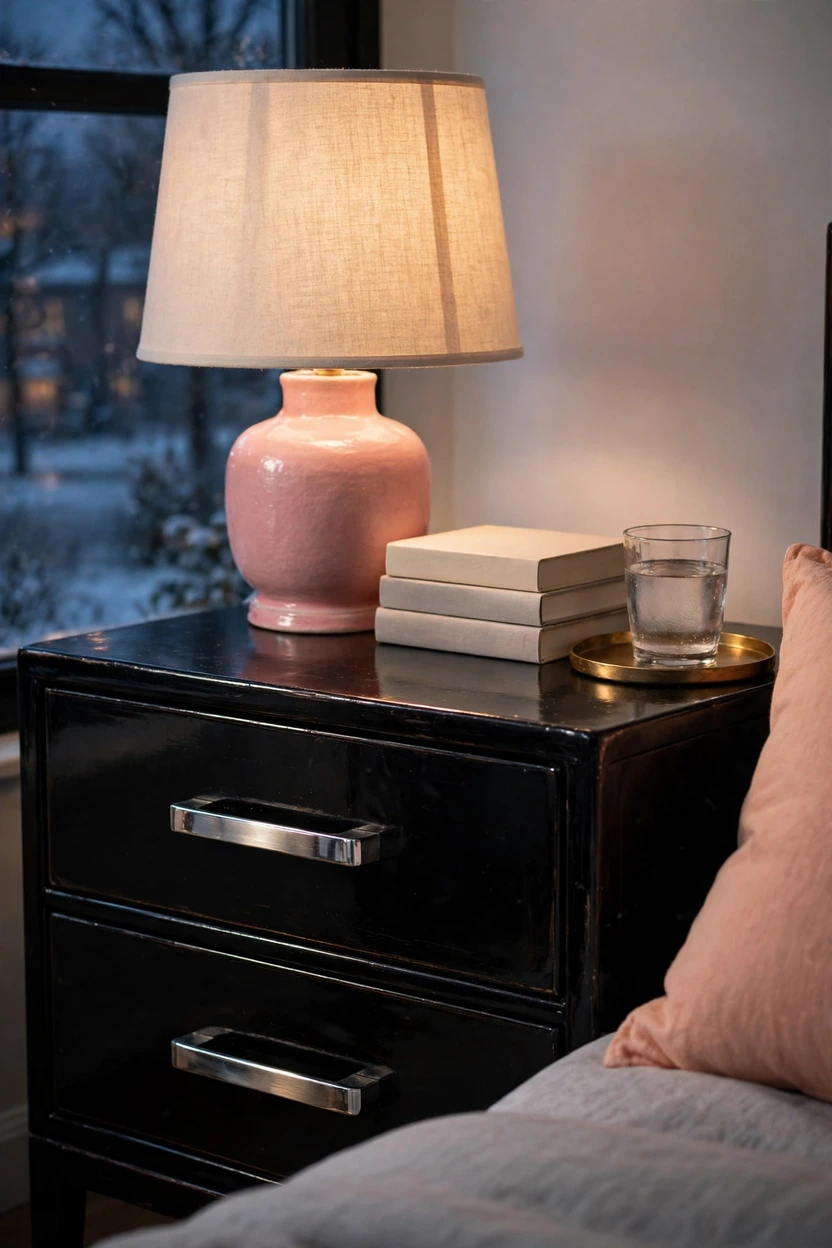
Glossy black furniture with chrome pulls is the cool, sleek side of 80s style. Black lacquer looks sharp against a soft base color, and the shine bounces light around the room. Keep the nightstand top at about the same height as your mattress, within a couple of inches, so reaching for water is easy. Balance the shine with soft things like a linen lamp shade and a knit throw. Wipe lacquer with a soft cloth, since fingerprints and dust show on a glossy surface.
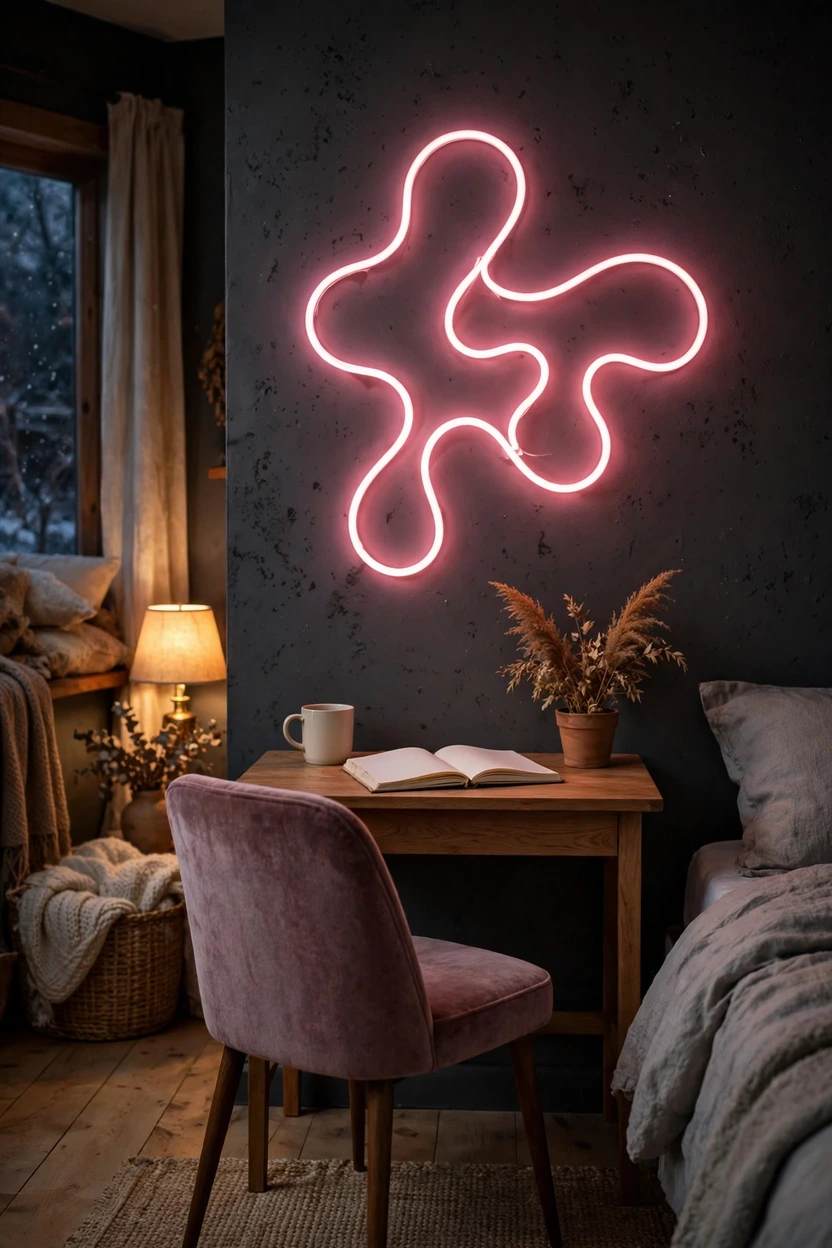
A Neon-Style Sign on a Dimmer
A neon-style sign brings the 80s glow without turning the room into an arcade. Choose a soft shape, such as a squiggle, a heart, or a simple word, in warm white, soft pink, or amber. Hang it on a side wall or above a desk, not directly above your pillow, since a bright light two feet from your face is hard to sleep near. Use LED neon with a dimmer, and turn it off at bedtime. Cool blue and bright white light can keep you alert, so warm colors are the better choice for a bedroom.
Related: 22 Luxury Bedroom Ideas That Skip the Trends (Built to Last)
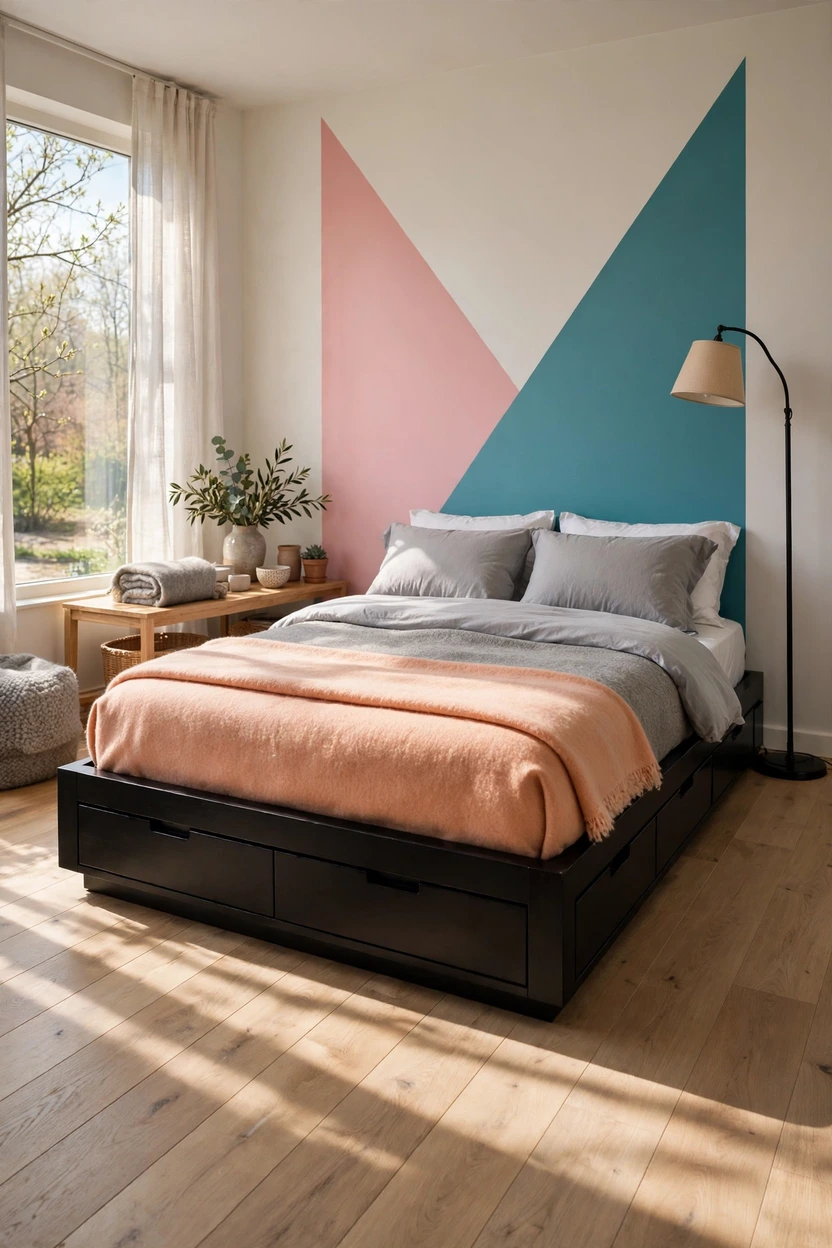
A Low Platform Bed With Drawers
The low, clean shape of a platform bed fits the 80s love of sleek lines, and drawers underneath keep clutter out of sight. Choose a frame in black, white, or warm wood with a thin edge, so the bed looks light and the room has more air. A low bed also makes a bold wall look taller, which helps if you have a graphic wall behind it. Leave about 24 to 30 inches of clear space on at least one side so you can walk and pull the drawers open. Keep the bedding simple, so the shape of the bed does the talking.
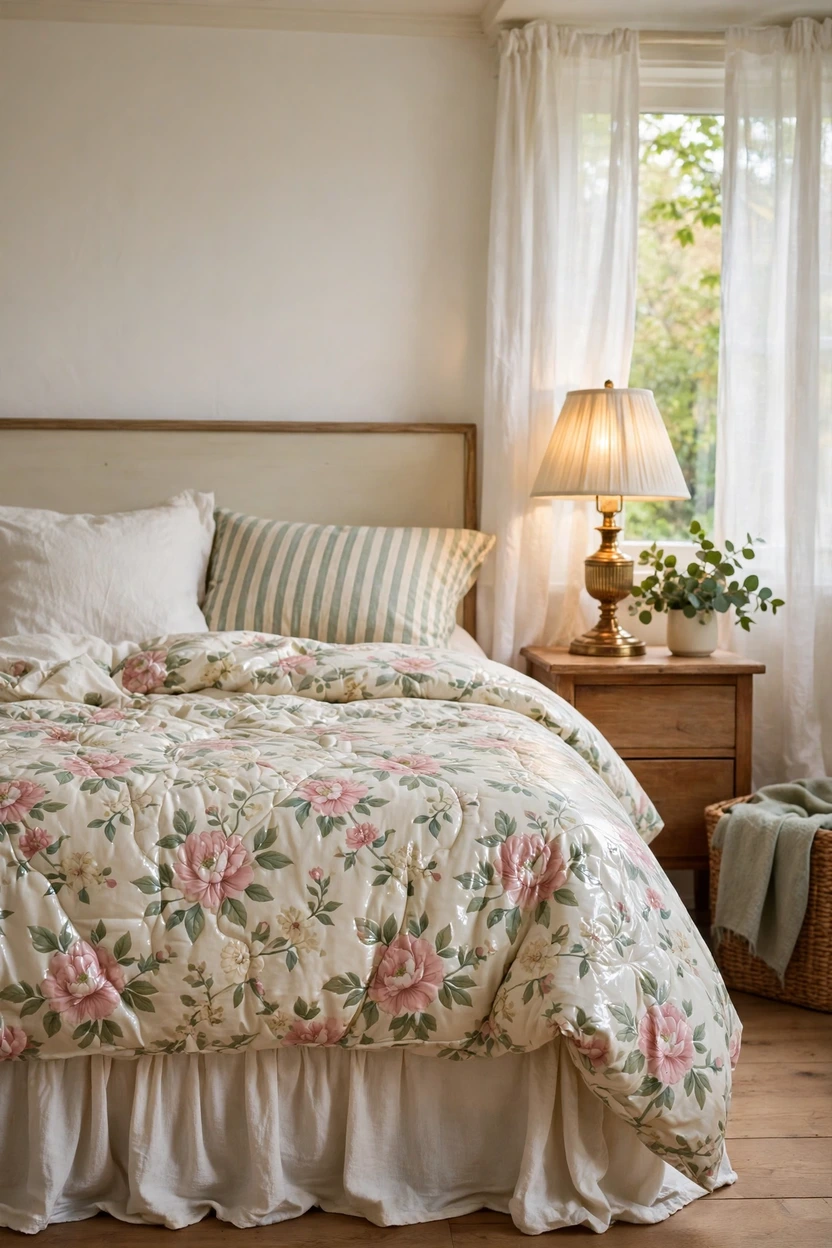
Chintz Florals With a Modern Bed
Not every 80s bedroom was neon and chrome. The softer side was romantic, with glazed cotton florals, gathered bed skirts, and ruffled pillows. To keep it fresh, use one chintz piece, such as a floral duvet or a pair of curtains, and pair it with plain walls and simple furniture. Pick a floral in two or three colors from your palette so it ties to the room. Add one crisp stripe or check pillow to break up the florals. Too many ruffles can feel heavy, so stop at one or two.
A Rattan Headboard
Rattan and wicker were popular in the 80s, and a single piece adds warmth without crowding the room. A rattan or cane headboard gives you texture, a clear focal point, and a natural counter to glossy lacquer and chrome. Choose a simple shape such as a fan, an arch, or a plain panel, and keep the bedding smooth so the weave stands out. A peel-and-stick wallpaper in a pastel shade makes a good backdrop. Dust the weave with a soft brush and wipe it with a slightly damp cloth.

A Palm Print Accent Wall
Palms and big leaves bring the sunny, vacation side of the 80s into a bedroom. Use a large-scale palm or banana-leaf wallpaper on the wall behind the bed, and keep the other walls plain. Peel-and-stick wallpaper is an easy way to try this, and it comes off cleanly in most rentals. Pick a print in two or three tones, such as pale green, blush, and cream, so it feels soft and not loud. Add one pink or teal accent in the bedding or lamp to tie it back to the 80s palette.

A Cassette and Boombox Shelf Vignette
Retro tech makes a fun, personal detail, and one shelf is enough. Set a vintage boombox or a portable cassette player on a floating shelf, then add a small tray of cassettes, a plant, and one framed print. A shelf about 8 inches deep holds all of that without feeling crowded. Use the items as decor only, and do not plug in old electronics without checking the cords, since aging wires can be a fire risk. Dust and rearrange it now and then so it stays a display and not a pile.

A Framed Poster Grid
A wall of posters can look messy, but a grid keeps it controlled. Choose six prints, such as abstract graphics, travel art, or retro-style illustrations, and put them in matching black or chrome frames with the same white mat. Lay out a 2 by 3 grid with about 2 inches between frames, and center the group around 57 inches from the floor. Matching frames are what turn many different images into one clean shape. If you love variety, vary the art and keep the frames identical.

A Sculptural Uplight and a Memphis-Style Lamp
Lighting is where the 80s shine, and a few shaped lamps do a lot. Add a floor uplight that bounces light off the ceiling for a soft glow, and a bedside lamp with a bold geometric base in pink, black, or teal. Use warm LED bulbs, around 2700K or lower, so the light feels calm at night. Old halogen torchiere lamps run very hot, so choose a modern LED version if you want that shape. Put every lamp on a dimmer or a smart plug, so the room can move from bright to soft in one touch.

A Burgundy and Charcoal Power Bedroom
For a darker take, borrow the 80s love of deep burgundy, charcoal, and rich polished materials. Paint the walls in a matte deep red or charcoal, add a leather or velvet chair, and use brass or chrome accents for shine. Keep the bedding light, such as cream or soft gray, so the bed stands out against the dark walls. Dark colors absorb light, so plan for extra lamps and warm bulbs to keep the room from feeling heavy. This works well in a room with good daylight and enough space to avoid feeling closed in.

A Sponge-Painted Color-Wash Wall
Paint effects like sponging and rag rolling were everywhere in the 80s, and a softer version looks surprisingly modern. Use two shades of the same color, such as a pale peach base and a slightly deeper peach glaze, and dab or roll the second shade lightly over the first. The result is a gentle, cloudy texture that adds depth without any pattern. Practice on a large board first so you can control how heavy the effect looks. Use a washable matte or eggshell paint, so the wall wipes clean.

A Hidden Storage and Cable Control Zone
The quiet partner of every loud room is good storage. Use closed storage, such as drawers under the bed, a tall wardrobe, or a lidded basket, so the surfaces stay clear and the bold pieces get the attention. Add a charging drawer or a small box on the nightstand, and use cord clips and covers to keep wires tidy. Clear surfaces make bright colors feel designed and not crowded. Keep one nightstand top for only a lamp, a glass, and one small object.

Styling Tips
Use the Chaos-Control Formula. 60 percent calm base, 30 percent supporting color, 10 percent loud 80s punch. It gives you room to play without losing the room.
Choose one loud focus per wall. A grid wall, a sign, or a mirror is enough. Let the other walls rest.
Repeat shapes. If you use triangles in the rug, put one in a lamp or a print. Repetition makes bold look planned.
Pair shine with soft. Lacquer, chrome, and glass look better next to linen, wool, and cotton.
Limit patterns to two scales. One large graphic and one small stripe or check, plus plain bedding.
Use pastels for the loud parts. Peach, mauve, and teal read as 80s without the sharp edge of neon.
Go warm after dark. Use bulbs around 2700K and dimmers, so the room feels calm at bedtime.
Edit the surfaces. Three objects per surface is plenty.
Practical Implementation Ideas
Build the room in layers, from the calm base to the loud details.
Pick your base. Choose a soft gray, warm white, or cream for most of the walls and bedding.
Choose one big move. A grid wall, a rug, a headboard, or a deep wall color. Do this first and do it well.
Add shine. One piece of lacquer, chrome, glass, or a mirror. Place it where it can catch window light.
Layer color in small hits. Pillows, a throw, a lamp, and a vase in your two accent colors.
Set up the lighting. A bedside lamp on each side, one uplight or wall light, and a dimmer if you can. Keep any neon-style light off the headboard wall above your pillow.
Add a retro detail. A neon-style sign, a cassette shelf, or a poster grid. Choose one.
Hide the clutter. Add closed storage and cord control so the loud pieces stay in charge.
Step back and edit. Take a photo and remove one item from each zone.
Common Mistakes to Avoid
Going loud everywhere. If every wall, rug, and pillow is bold, nothing stands out. Keep a calm base.
A neon light over the pillow. Bright or cool-toned light near your face makes it harder to wind down. Use warm colors, a dimmer, and a side-wall spot.
Too many patterns at the same size. They fight. Use one large and one small.
Mirror facing the bed. It can feel stark at night. Aim it at a window or a calm corner.
Shiny on shiny. A room of lacquer, chrome, and glass feels cold. Add wool, linen, and wood.
Using old electronics that still plug in. Display vintage tech, but do not power old cords unless they have been checked.
Forgetting storage. Without a place for things, bold decor turns into clutter.
Buying a theme kit. Matching 80s sets look like a costume. Mix a few real vintage or secondhand finds with modern basics.
Small-Space Alternatives
Paint one wall only. A grid, a color-wash, or a deep color behind the bed gives a big retro hit in a small room.
Related: 16 Cool Big-Kid Bedroom Ideas Without Unicorns or Dinosaurs
Use a leaning mirror. It doubles the light and needs no drilling.
Choose a low bed. A platform bed leaves more air above it and makes the room feel taller.
Swap nightstands for wall shelves. Floating shelves and wall lamps free the floor.
Use a rug as your pattern. One graphic rug carries the whole retro look, so you can keep walls plain.
Keep colors tight. Two accent colors and a neutral base keep a small room calm.
Budget-Friendly Alternatives
Use painter’s tape and sample pots. A grid or triangle wall costs only a few small paint samples.
Try a neon-style LED strip. A warm-white strip in a simple shape gives a soft glow for much less than a custom sign.
Thrift black furniture. A secondhand dresser or nightstand, a coat of black paint, and new chrome pulls looks like lacquer.
Use peel-and-stick wallpaper. Palm or geometric prints change a wall in an hour.
Spray paint frames. Mismatched thrift frames in one color make a clean poster grid.
Stack acrylic blocks. Glass-look acrylic blocks give the glass block shape without the weight or install cost.
Sponge-paint a wall. A sponge, a roller, and two close shades of paint make a cloudy wash for very little.
Pro Styling Recommendations
Start with the neutral base. Retro looks best when the bold pieces are surrounded by quiet colors, so decide your base before you buy anything loud.
Soften the 80s palette. Pastels, muted brights, and deep jewel tones feel more current than harsh neon.
Test lights at night. Look at any sign, strip, or lamp in a dark room before you commit. Warm white and soft pink are the easiest on the eyes.
Anchor mirrors and heavy art. Fasten large mirrors to the wall, and use safety film on big glass panels.
Mind the cords. Do not overload outlets. Use a surge protector or a timer for strips and signs, and hide cords with clips.
Mix real and new. One genuine vintage piece, like a lamp or a chair, gives the room soul, and new basics keep it comfortable.
Keep the bed simple. The bed is where you rest, so let the bedding be plain even if the walls are playful.
FAQs
What is 80s bedroom style?
80s bedroom style mixes bold geometry, pastel or neon color, glossy finishes like lacquer and chrome, mirrors, glass block, and retro tech details. It also has a softer side with chintz florals, rattan, and palm prints.
What colors are used in an 80s bedroom?
Common colors include peach, mauve, teal, hot pink, electric blue, burgundy, and black with white. For a modern look, use pastel versions on a soft gray or cream base.
How do I make an 80s bedroom without it looking dated?
Use the Chaos-Control Formula: 60 percent calm base, 30 percent supporting color, 10 percent loud 80s punch. Choose one bold focus per wall and mix in modern linen, wool, and wood.
What is Memphis design?
Memphis was a design movement from a Milan collective in the early 1980s. It is known for playful shapes, bold color, squiggles, and graphic patterns, and it is a popular reference for 80s-inspired rooms.
Is neon okay in a bedroom?
Yes, with care. Choose warm white, soft pink, or amber, put it on a dimmer, and hang it away from your pillow. Turn it off at bedtime, since bright or cool light can make it harder to wind down.
What furniture suits an 80s bedroom?
Related: 21 Alt Bedroom Ideas That Feel Truly Lived In (Moody, Cozy & Personal)
Low platform beds, black lacquer nightstands with chrome pulls, mirrored wardrobes, rattan headboards, and pieces with rounded or geometric shapes. Thrifted and vintage finds work well.
How can I do an 80s bedroom on a budget?
Paint a grid or color-wash wall, use peel-and-stick wallpaper, thrift and repaint black furniture, make a poster grid with matching frames, and use a warm LED strip for a neon-style glow.
How do I decorate a small 80s bedroom?
Pick one loud wall, add a graphic rug, use a leaning mirror, and choose a low bed. Keep the rest of the room calm, with two accent colors at most.
Can I do an 80s bedroom in a rental?
Yes. Use peel-and-stick wallpaper, a leaning mirror, a plug-in lamp, a bold rug, framed prints on removable hooks, and stacked acrylic blocks. Skip anything that needs drilling or heavy paint.
How do I keep a bold bedroom restful?
Keep the base calm, use warm dimmable lighting, put the loudest piece away from your sightline when lying down, and store clutter in closed drawers. Plain bedding helps too.
Conclusion
An 80s bedroom does not have to be loud all over. The best ones know where to be wild and where to rest.
Start with the calm base. Add one big move, like a grid wall or a graphic rug. Then layer in shine, color, and a small retro detail, one piece at a time, and stop before it feels like a lot.
When the balance is right, you will feel it at the end of the day. The room makes you smile when you walk in, and it lets you sleep when you lie down. That is chaos and control, working together.